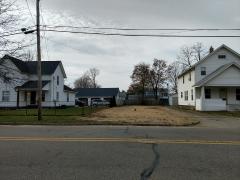
That empty lot beside your house might be one of the cheapest pieces of real estate you'll ever buy. If a land bank or city owns it, there's a good chance you can get it for a few hundred dollars — or a single dollar — through a side-lot program built for exactly this. Here's how.
Step 1: Find out who owns it
Before anything, identify the owner:
- Check your county assessor or GIS site by the lot's address or parcel number — it lists the current owner.
- If it's a land bank, city, or county, you're in luck: there's almost certainly a program to sell it to the neighbor.
- If it's a private owner, that's a direct negotiation, not a land bank deal.
On this site, the map and land bank directory show which nearby lots are held by the land banks we track — the fastest way to know if the one next to you is available.
Step 2: Understand the side-lot deal
Land banks price side lots to the adjacent owner nominally — commonly a few hundred dollars, and as little as $1 in some programs. Why so cheap? Because a maintained, owned, tax-paying lot under a responsible neighbor serves the land bank's mission far better than a vacant, delinquent one it has to hold. The full side-lot explainer covers the national picture.
Typical conditions:
- You must own the adjacent property — that's what makes you eligible.
- Maintain the lot — mow it, don't dump on it.
- Sometimes combine it with your parcel into one, which can also simplify taxes.
Step 3: Apply
- Confirm the lot is in a side-lot program on the land bank's page (every listing links to the official source).
- Apply as the adjacent owner — show your ownership of the neighboring property and agree to the maintenance terms.
- Close. Side lots are usually the fastest land bank transaction there is — days-to-weeks, not months.
Why it's worth doing
A side lot is the single highest-certainty deal in the land bank world: no renovation, minimal taxes, and it usually raises what your own home is worth at sale by giving you more land and control of the block. For a homeowner next to an empty parcel, it's close to a no-brainer.
.jpg)