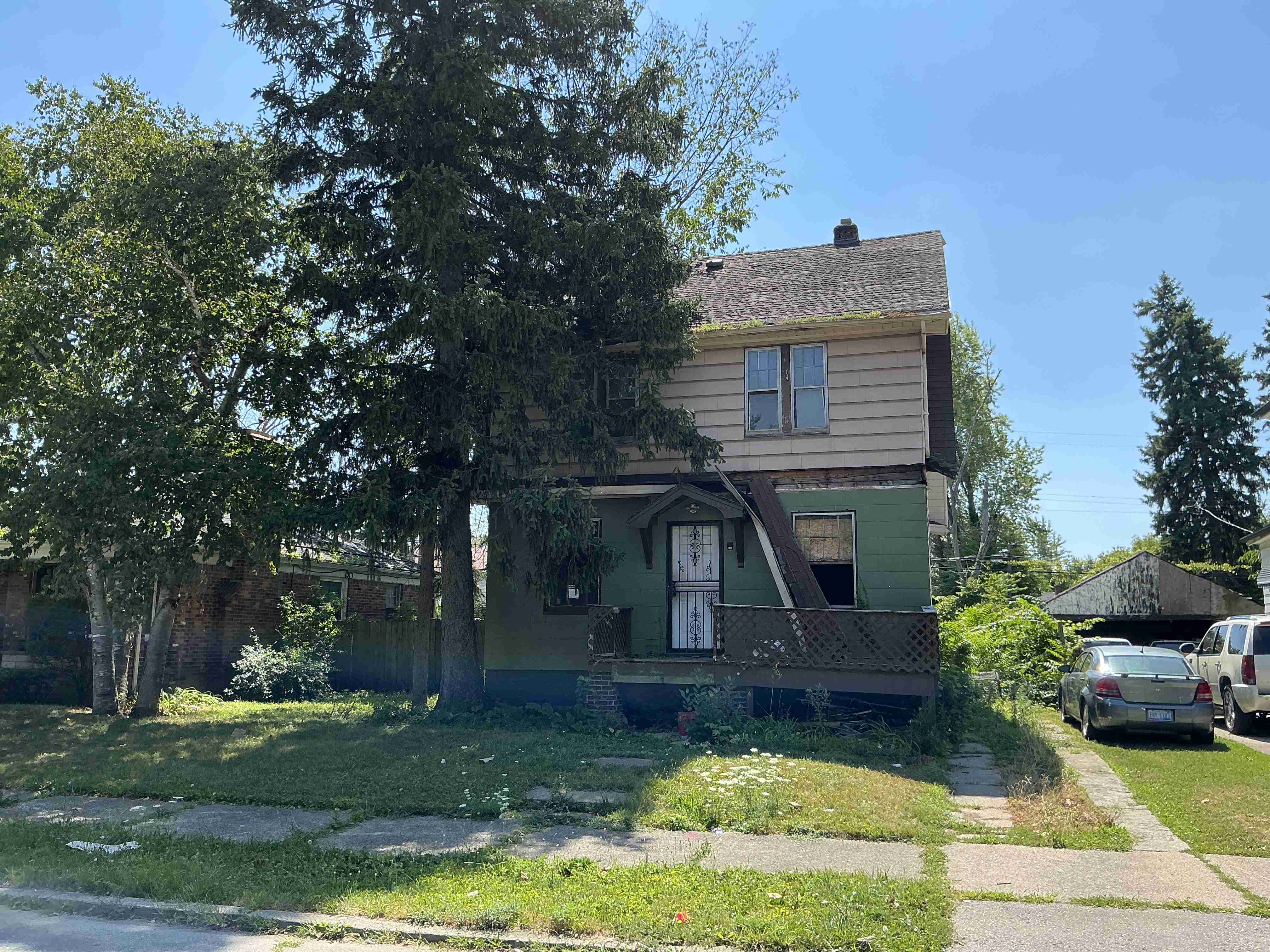
"Government-owned homes for sale" sounds like one program. It's actually a half-dozen unrelated pipelines that end with a public agency holding a deed — and they differ wildly in price, condition, and how you buy. Here's the whole landscape, honestly, including which one actually has the $5,000 houses.
The map of every program
| Program | How the government got the house | Typical price | Where it's listed |
|---|---|---|---|
| Land banks | Tax foreclosure | $1,000–$20,000 (lots less) | Hundreds of separate local sites — aggregated here |
| HUD Homes | FHA-insured mortgage default | Discounted market price | hudhomestore.gov |
| VA REO ("Vendee") | VA-backed loan default | Near market, special financing | VRM Mortgage Services listings |
| USDA resales | Rural Development loan default | Below market, rural | USDA resales site |
| Fannie/Freddie REO | Conventional loan default (GSEs are gov-sponsored) | Near market | HomePath.com / HomeSteps.com |
| County tax deeds / sheriff sales | Tax foreclosure, no land bank | Auction — can be very low | County treasurer/sheriff sites |
| GSA auctions | Surplus federal property | Auction, unpredictable | realestatesales.gov |
Two clusters emerge from that table:
- Mortgage-default channels (HUD, VA, USDA, GSE REO): houses that recently had paying owners, so condition is fair-to-decent — and prices are discounted retail, not pennies. Financeable with normal mortgages.
- Tax-foreclosure channels (land banks, county sales): houses that sat delinquent and often vacant for years. Condition is rough, prices are a tiny fraction of retail, and cash (or renovation loans) rules.
If you came here searching for genuinely cheap — the sub-$20k houses — you're looking for the second cluster.
HUD Homes: the famous one
When an FHA-insured borrower defaults, HUD ends up with the house and sells it on hudhomestore.gov through registered brokers. Worth knowing:
- Owner-occupant first look: for the first ~30 days, only people who will live in the house (plus nonprofits/governments) can bid. Real advantage.
- The $100 down program exists in some states with FHA financing.
- "Good Neighbor Next Door": 50% off list for teachers, police, firefighters, EMTs in revitalization areas — with a 3-year occupancy commitment. The catch: eligible inventory is scarce.
HUD homes are fine deals, not steals — bid competition brings them near market.
VA, USDA, and GSE REO: the quiet siblings
Same mechanics as HUD with smaller inventories. VA's Vendee financing is notable — available to non-veterans, low down payment, on VA-owned properties. USDA resales skew rural and can pair with USDA's own zero-down loans. Fannie Mae HomePath and Freddie Mac HomeSteps list GSE foreclosures with occasional owner-occupant perks (HomePath Ready Buyer credits closing costs after a homebuyer course).
Land banks: the cheap one
Land banks are public agencies that take tax-foreclosed and abandoned property, clear back taxes and most title problems, and sell at prices set to move inventory — commonly $1,000–$20,000 for houses, a few hundred dollars for lots. This is where the "cheapest houses in America" actually live.
The trade-offs are structural: houses need real renovation, many deeds carry renovation deadlines or occupancy conditions, and the inventory is scattered across hundreds of separate local websites. There are over 350 land banks in the country — the complete directory is here — and we pull every trackable list onto one map, refreshed nightly.
County tax sales: land banks' rowdier cousin
Where no land bank exists, tax-foreclosed property goes to auction — tax deed sales, sheriff sales, commissioner sales. Prices can go even lower than land banks, but you absorb everything a land bank would have fixed: possible title clouds, no inspection, sometimes occupants, competitive bidding against professionals. The full comparison: land bank vs. tax sale vs. foreclosure auction.
Which program fits you
- "I want a decent house, small discount, normal mortgage" → HUD first look, GSE REO, USDA if rural, VA Vendee.
- "I want maximum discount and I can renovate" → land banks; county auctions if you know what you're doing.
- "I'm a teacher/cop/firefighter/EMT" → check Good Neighbor Next Door, then land banks (several run their own public-servant discounts).
- "I want land, not a house" → land banks and county surplus, overwhelmingly.
One meta-tip that applies everywhere: every one of these programs favors the prepared buyer over the fast one. Pre-approval or proof of funds, a real renovation number, and actually reading the program rules beat speed in every government channel — they're processes, not races.
Start where the cheap inventory is: browse by state or go straight to the live map.
.jpg)