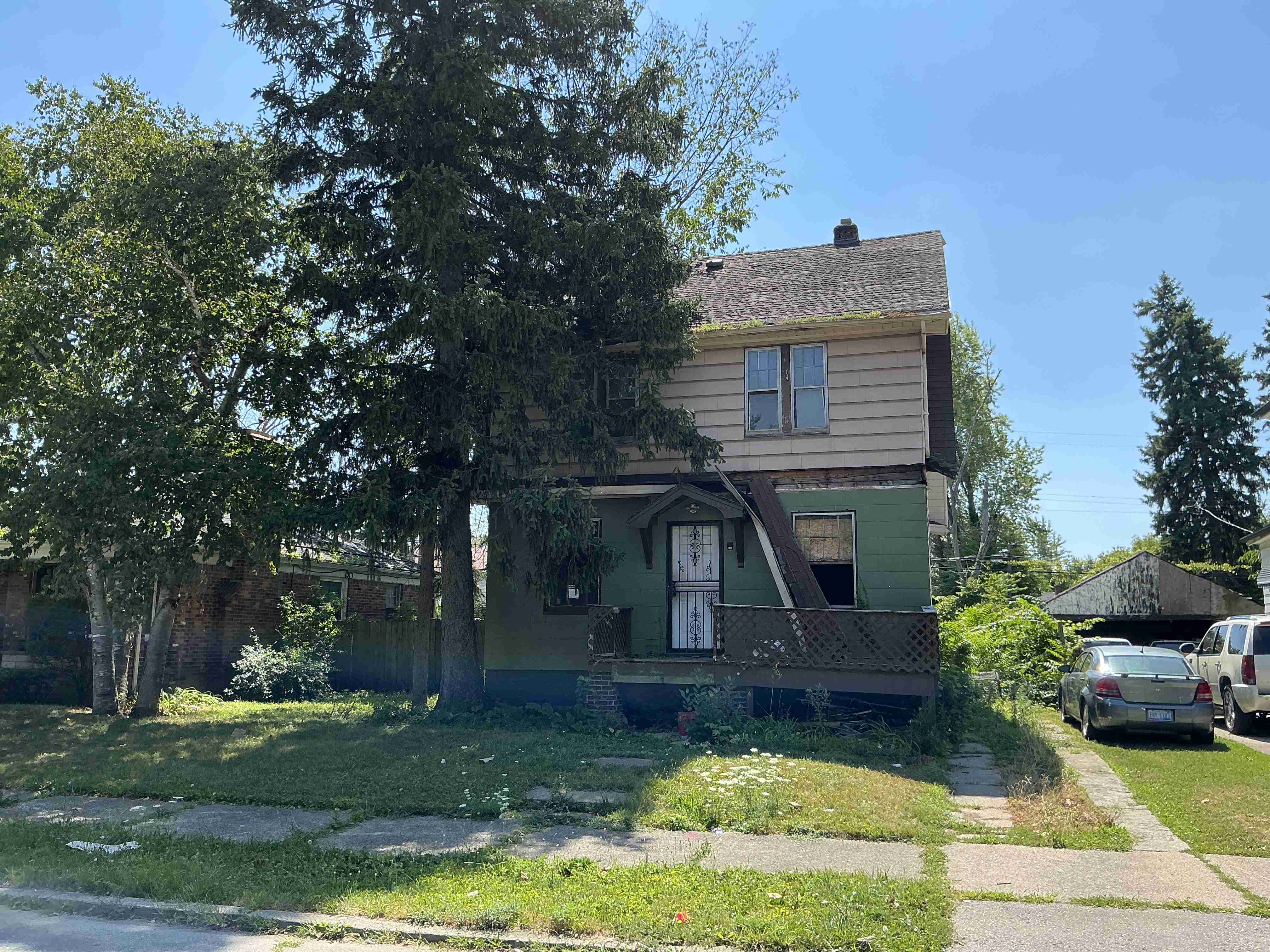
Type "abandoned houses for sale" into Zillow and you'll get almost nothing — not because the houses don't exist, but because the people who own them don't list on the MLS. The United States has hundreds of thousands of vacant homes, and the largest sellers of them are land banks: public agencies whose entire mission is to move abandoned property into the hands of people who will fix it up.
This guide covers where abandoned houses actually get sold, what they cost, and the legal way to buy one — including why the "just claim it" advice you've seen on social media doesn't work.
First, "abandoned" doesn't mean ownerless
Every parcel of land in America has an owner of record. A house that looks abandoned is usually in one of these situations:
- Tax-foreclosed and held by a public agency — a county, city, or land bank took title after years of unpaid property taxes. This is the inventory you can actually buy, often for a few thousand dollars.
- Bank-owned (REO) after a mortgage foreclosure — sold through agents or auction sites, usually closer to market price.
- Privately owned but neglected — an out-of-state heir, a defunct LLC, an owner who walked away. Buyable only if you can find and persuade the owner.
- In probate or title limbo — nobody can sell it until the legal knot is untied.
The fastest, cheapest, lowest-risk door is the first one. Roughly 20 states have land bank statutes, and hundreds of land banks across the country publish real inventory lists with real prices — here's how land banks work if the term is new to you.
Where the real inventory is
1. Land banks (the motherlode)
Land banks acquire tax-foreclosed and abandoned property, clear the back taxes and most title problems, and sell at prices designed to move inventory: houses for $1,000–$20,000, buildable lots for a few hundred dollars. The catch is fragmentation — each land bank publishes its list on its own website, map portal, or monthly PDF. That's the problem we built LandBankSearch to solve: we index every land bank listing we can find into one searchable map, updated nightly.
2. County tax sales and sheriff sales
If a county has no land bank, tax-foreclosed property goes to auction instead. Prices can be even lower, but you inherit the risk: no inspection, possibly clouded title, sometimes occupants. See our comparison of land banks vs. tax sales vs. foreclosure auctions before going this route.
3. HUD, USDA, and government surplus
Government-owned foreclosures (HUD Homes, USDA resales) are listed on their own portals. Better condition than land bank stock on average, but priced accordingly — these are discounted market listings, not $5,000 shells.
4. Driving for dollars (privately owned)
Finding a neglected house, looking up the owner in county records, and mailing them an offer works — investors do it every day — but it's a volume game measured in months, and there's no posted price. It's the hard mode version of everything above.
What buying an abandoned house actually costs
The sticker price is the smallest number in the deal. A realistic budget for a $5,000 land bank house looks like this:
| Line item | Typical range |
|---|---|
| Purchase price | $1,000–$20,000 |
| Renovation (livable, not luxury) | $30,000–$100,000+ |
| Carrying costs (taxes, insurance, utilities during rehab) | $2,000–$8,000/yr |
| Surprises (roof, foundation, plumbing under the floor) | assume some |
Land banks are upfront about this — many require a renovation plan and proof of funds precisely because the houses need work. Anyone selling you the dream of a turnkey house for $3,000 is selling a course.
The legal process, step by step
- Find the property. Search the land bank's list (or all of them at once on our map).
- Check the program rules. Owner-occupant priority, investor limits, and out-of-state policies vary by land bank.
- Inspect what you can. Many land banks schedule showings or open houses; some sell as-is with exterior-only viewing. Price the risk in.
- Apply. Expect to show proof of funds for purchase and renovation, plus a written scope of work with a timeline.
- Close and perform. Deeds often carry renovation deadlines or occupancy requirements, enforced by a right of reverter — miss them and the property can go back.
Our complete land bank buying guide walks through each step in detail.
About the "just move in" advice
Adverse possession is real law, but it requires open, notorious, continuous possession for 5–21 years depending on the state — usually with tax payments — and it collapses the moment the owner objects. Squatting in the meantime is trespassing, and in a tax-foreclosure pipeline the county will eventually show up. The people posting "I claimed an abandoned mansion" videos are producing content, not conveying title.
The unglamorous truth is better than the myth: the same house those videos are shot in front of is often legally for sale, right now, for less than a used car — through a process with rules that are written down. Start with the inventory, not the loophole.
.jpg)