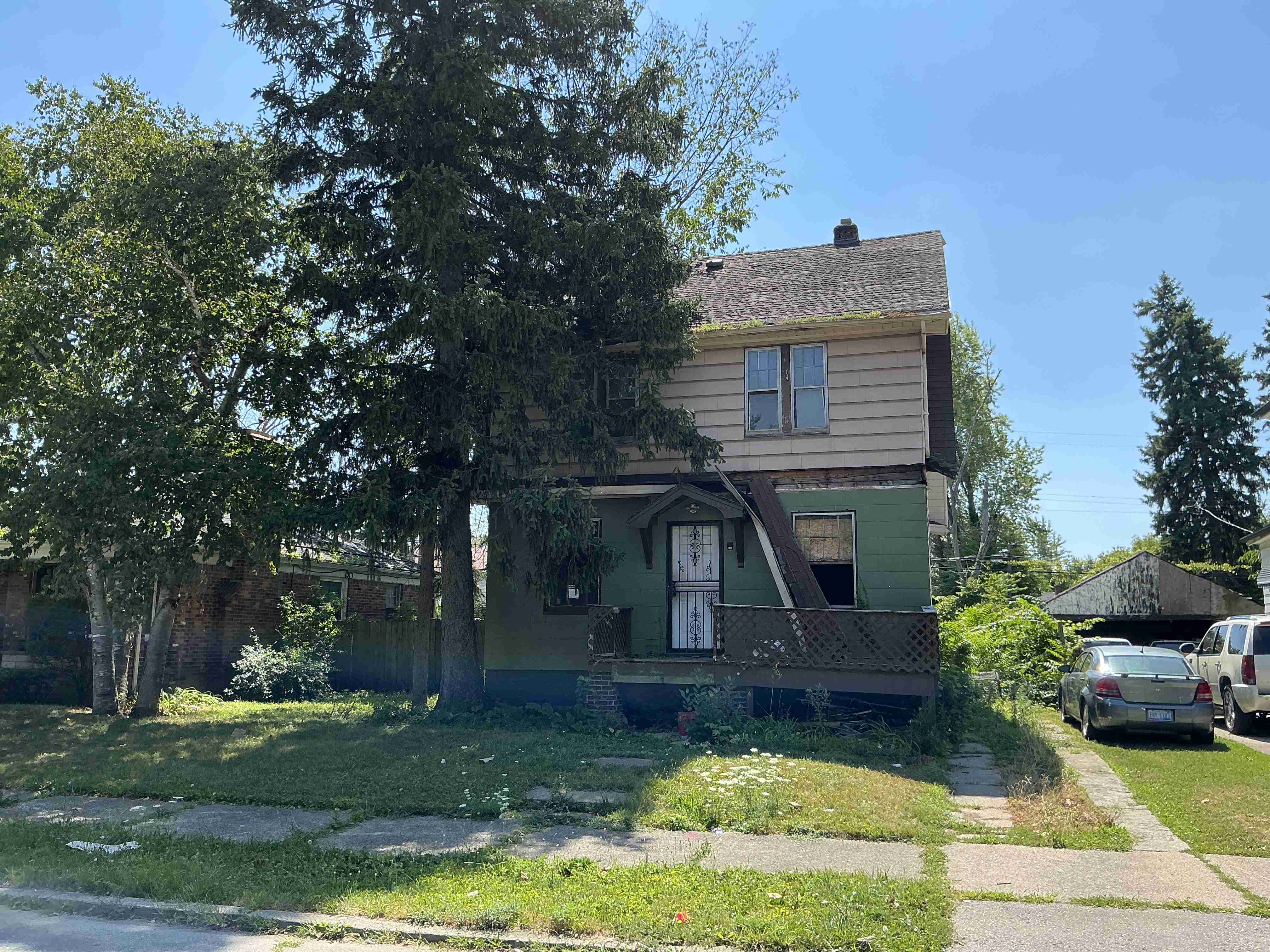
Buying from a land bank is nothing like making an offer on Zillow — and nothing like the "government gives away free houses" videos, either. It's an application process with real rules, real discounts, and a seller that actually wants you to succeed. Here's the whole process, start to finish.
Step 1: Find real inventory (the hard part)
Land bank properties never reach the MLS. Each land bank publishes its own list — a searchable site if you're lucky, a monthly PDF if you're not. The traditional way to shop this market is checking dozens of municipal websites by hand.
That's the step we've automated: LandBankSearch indexes every land bank we can find into one map, updated daily. Search your target market, filter to priced listings or structures, and click through to the land bank's official page for the property.
Step 2: Understand the local program before you want a specific house
Every land bank runs its own show. Before you fall for a listing, read the seller's program pages and answer four questions:
- Who gets priority? Many land banks favor owner-occupants, neighbors buying side lots, or local buyers. Some run exclusive owner-occupant windows before investors can apply.
- What discounts exist? Owner-occupant discounts, public-employee programs, and featured-home deals are common and rarely advertised beyond the land bank's site.
- What must you commit to? Typical requirements: bring the property to code within 6–18 months, occupy it for a set period, or maintain a vacant lot.
- How are prices set? Fixed price, best offer, or proposal-based — the answer changes your strategy completely.
Step 3: Line up your money (before you apply)
Nearly every land bank asks for proof of funds covering both the purchase and the estimated renovation. A bank statement or letter usually satisfies it. Two realities to plan around:
- Most purchases are cash. A $5,000 house won't qualify for a conventional mortgage. Budget the real number: purchase + rehab + carrying costs.
- Renovation loans can work. Where financing is allowed, FHA 203(k), Fannie Mae HomeStyle, and local rehab-loan programs (many legacy cities run their own) can fund purchase and renovation together. Confirm the land bank accepts financed offers first.
Get a contractor's walkthrough or at least a detailed cost estimate before you apply — the application will ask, and lowballing the rehab number is the classic first-timer mistake.
Step 4: Apply
The application is where land banks differ most, but expect some mix of:
- The property you want and your purchase price or offer
- Your renovation plan: scope of work, budget, timeline, who's doing the work
- Proof of funds for purchase + rehab
- Background checks: current on your own property taxes, no code violations, no prior land bank defaults
Committees typically review applications monthly. Decisions weigh your plan and capacity, not just price — a credible owner-occupant with a realistic budget regularly beats a higher cash offer with a vague plan.
Step 5: Close — and read the deed restrictions
Closing looks like a normal real estate closing, usually faster and cheaper. The difference is what rides along in the deed or a development agreement:
- Renovation deadline (commonly 6–18 months to code compliance)
- Occupancy requirement for owner-occupant discounts (1–5 years is typical)
- Reverter clause — miss your commitments and the land bank can take the property back
These aren't gotchas; they're the mechanism that keeps speculators from re-abandoning the inventory. Meet the commitments and they expire, leaving you with an unencumbered, deeply discounted property.
Step 6: Renovate on the clock
Treat the deadline as real. Pull permits early (inspections are how most land banks measure progress), document everything, and communicate — land banks grant extensions to buyers who are visibly working, and reclaim from buyers who go dark.
The realistic math
A worked example, typical of Cleveland, Detroit, or Memphis inventory:
| Line item | Number |
|---|---|
| Purchase price | $4,500 |
| Renovation to code | $45,000 |
| Carrying costs (12 mo) | $3,500 |
| All-in | $53,000 |
If comparable renovated homes on the block sell for $85,000–$110,000, that's the whole appeal: entry to homeownership or a rental portfolio at roughly half of retail, in exchange for managing a renovation. If the block's renovated comps are $50,000, walk away — cheap is not the same as good.
Where to start
Pick one or two markets and learn their land banks' rules deeply rather than browsing fifty cities shallowly. Search the live inventory, set an email alert for your market, and when the right property drops, you'll already know the process cold.
.jpg)