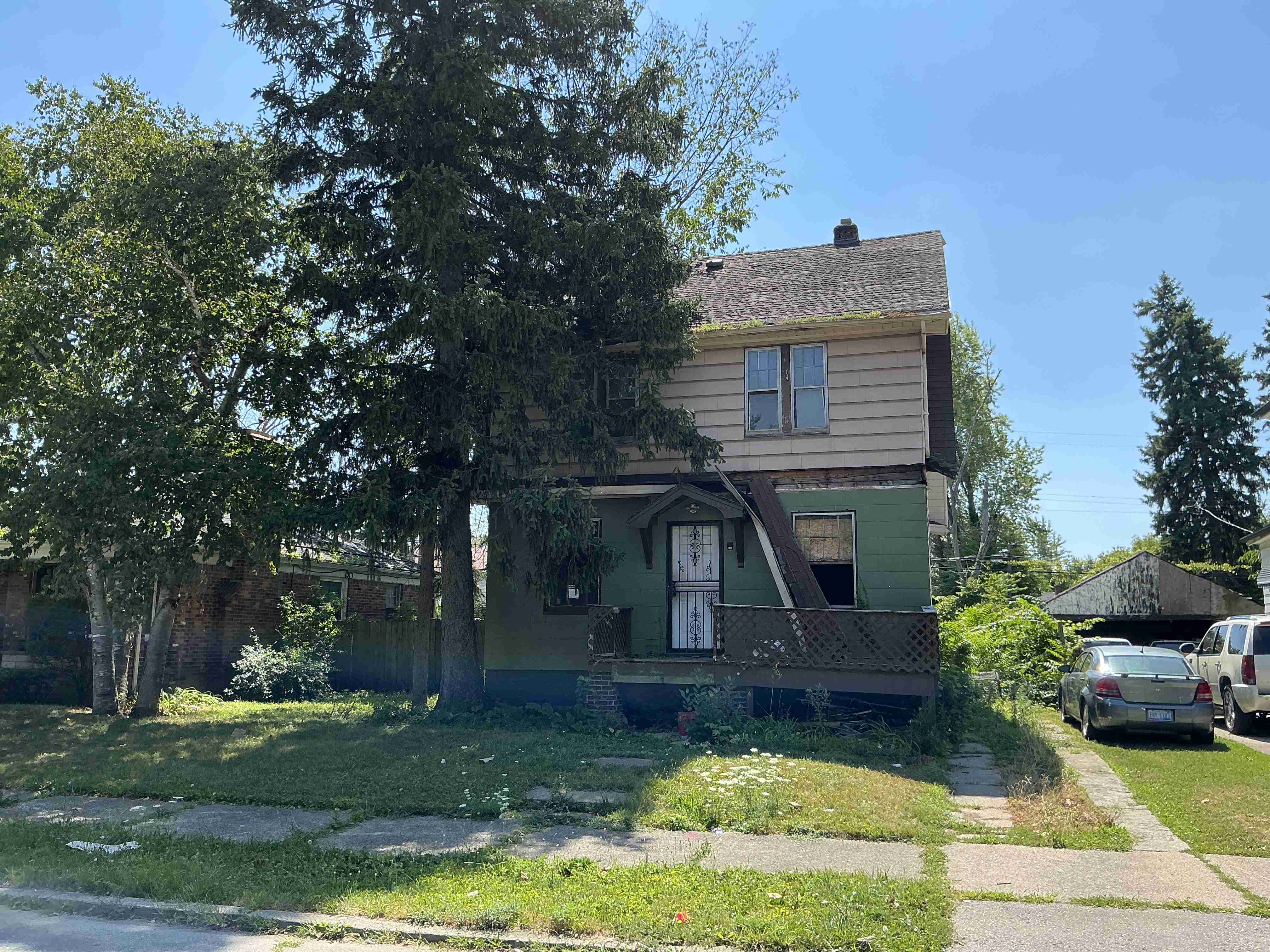
Every few months a "city selling houses for $1" story goes viral, and every few months the replies split between "scam" and "I'm moving." Both are wrong. Dollar houses are real, rare, and come with the most demanding fine print in real estate — and the realistic version of the deal, houses for $1,000–$10,000, is quietly available in dozens of American cities every single day.
Here's the honest breakdown.
The real $1 programs
Nominal-price home transfers have a long history in the U.S. — urban homesteading programs in the 1970s sold federal houses for $1, and the model persists in a few forms:
- Land bank nominal-price sales. Some land banks deed their roughest houses for $1–$100 to buyers (sometimes limited to neighbors or community organizations) who contractually commit to full rehab. These appear and disappear program by program — as of July 2026, the Louisville land bank's official list includes roughly 40 homes priced at exactly $1.
- City homesteading and receivership programs. A handful of cities periodically run dollar-home lotteries or applications tied to strict owner-occupancy.
- HUD's Dollar Homes program historically sold long-unsold FHA foreclosures to local governments for $1 — governments, not individuals, are the buyer there.
What every real program shares: the house is the cheap part. You're not buying a $1 house; you're buying a $75,000 renovation project with a $1 down payment and a legal obligation to finish it.
Why cities do this at all
A vacant house isn't an asset waiting to be discovered — it's a liability. It drags down every neighbor's value, invites dumping and arson, and pays no taxes. When a city or land bank sells for $1, it isn't being generous; it's paying you — in discount — to take over a problem it would otherwise spend $15,000+ demolishing. That's also why the contracts have teeth: the whole point is a finished, occupied house, not a flipped deed. (More on how land banks work.)
The fine print that comes with nominal prices
Expect most or all of these conditions:
- A renovation agreement with deadlines — bring the property to code in 6–18 months, with proof of financing up front.
- A reverter clause — miss the deadline and title goes back to the seller. These are enforced.
- Owner-occupancy — many programs require you to live in the house for 3–5 years; some bar investors entirely.
- As-is condition — nominal-price inventory is the stock that didn't sell at $5,000. Assume major systems are gone.
None of this is a trap; it's the deal stated plainly. If those terms fit your life, a nominal-price house is one of the few genuine wealth-building shortcuts left. If they don't, keep reading.
The realistic version: $1,000–$10,000 houses, available today
You don't need to wait for a viral lottery. Land banks across the Midwest and Northeast list houses at four figures right now — same deep discount, milder conditions (a rehab plan and proof of funds, usually without multi-year occupancy covenants). Detroit's auctions start at $1,000. Cleveland, Youngstown, Flint, Dayton, Birmingham, and St. Louis land banks all carry sub-$10k homes as routine inventory, and vacant buildable lots go for a few hundred dollars.
The buying process is paperwork rather than bidding wars — application, proof of funds, renovation plan, close. We've written the step-by-step guide to buying from a land bank.
How to evaluate any ultra-cheap house
Whether it's $1 or $8,000, run the same three numbers:
- All-in cost: price + full renovation + carrying costs until done. Get a contractor's walkthrough before you commit, not after.
- Finished value: what renovated houses on that block actually sell for — not city-wide averages. In some neighborhoods the finished value supports the rehab; in others it doesn't, and the discount exists for that reason.
- Your timeline honesty: rehab agreements are enforced. If you can't credibly finish in the window with money you already have access to, pick a better house, not a better story.
Bottom line
$1 houses are real, occasional, and demanding. Thousand-dollar houses are real, constant, and slightly less demanding. Free houses are not real. The entire opportunity lives in one unglamorous fact: government sellers price to eliminate vacancy, not to maximize profit — and their inventory never reaches the sites you're used to searching. That's the gap this site exists to close: see what's actually listed near you.
.jpg)