Chicago confuses buyers because there isn't one "Chicago land bank" — there are two systems with very different inventory and prices. Sort out which one holds the property you want and the whole market gets simple.
The two systems
- City of Chicago vacant lots — the big, cheap, lot-only program. The city holds 6,500+ vacant parcels and sells them through its own applications, with a dedicated side-lot path for neighbors. Almost all vacant land, priced low.
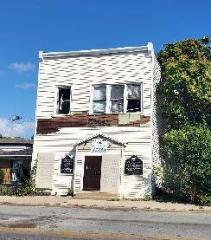
- Cook County Land Bank Authority (CCLBA) — the countywide agency that takes tax-foreclosed property and works the housing side: vacant lots, as-is rehab projects, and some renovated homes. About 1,000 active listings, ~210 with a structure, and — because many are rehabbed or rehab-ready — a posted-price median in the tens of thousands, far above the city lots.
When people search "Chicago land bank," they usually mean CCLBA. When they want a cheap lot, they want the city program.
Why the prices look so different
This is the key to Chicago. The city lots are raw land priced for reuse — a few hundred to a few thousand dollars. The Cook County Land Bank often sells houses that have already had work done, so its stickers reflect a partially or fully restored property, not a back-tax lot. A $49,000 CCLBA home and a $500 city side lot are both "the Chicago land bank" — they're just different products.
Browse the live Chicago city lots for the cheap land and the Cook County Land Bank inventory for the houses.
The buying process
- Identify which system holds the parcel — city lot or Cook County.
- For a cheap lot: apply through the city's program; adjacent owners get the side-lot path.
- For a house: apply through CCLBA, which clears back taxes and title and may attach rehab conditions.
- Budget the real number. A cheap lot still carries closing and upkeep; a rehab home is a full project even at a "renovated" price — check it against neighborhood comps.
Where Chicago fits
Illinois is the clearest example of the application-priced, program-split model — see the Illinois state guide. For the cheapest entry, the city vacant lots are among the largest such programs in the country; for a house with the title already cleaned up, Cook County is the safer, pricier path.