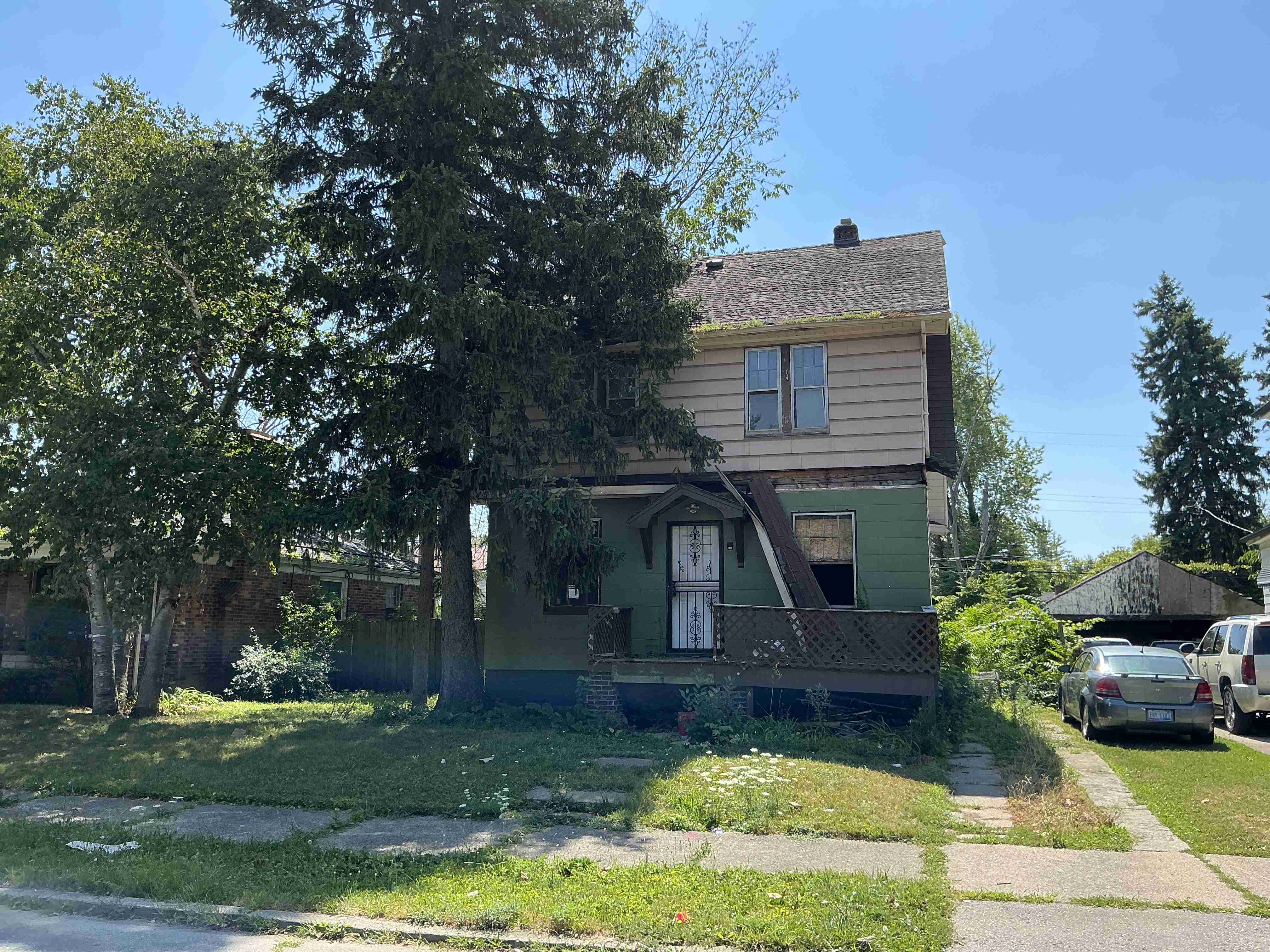
The $1,000 house is real — we count thousands of houses listed under $10,000 right now. What's not real is the idea that $1,000 is the cost. Here is the whole bill, line by line, so you can decide with your eyes open.
The purchase: the smallest number in the deal
Sticker price, closing/recording fees (usually modest — land banks aren't brokers), and in some programs an application fee. Some land banks also ask for proof of renovation funds — bank statements, a contractor quote, occasionally money in escrow — before they'll approve you. That's not a cost, but it's cash you must show.
The renovation: where the money actually goes
Most land bank houses have been vacant for years. The recurring big-ticket items, roughly in order of how often they appear:
- Roof — years of leaks are the default assumption, and the leak's damage (framing, plaster, floors) rides along with it.
- Plumbing — vacant houses in cold-winter cities usually mean burst or scrapped pipes. Copper theft is routine; assume a re-pipe until an inspection says otherwise.
- Electrical — old knob-and-tube or stripped wiring means a panel and rewire before an occupancy permit.
- Heat — furnaces and water heaters rarely survive vacancy.
- Windows, doors, and securing the site — both for the permit and to keep the house intact between your closing and your contractor.
Add city permits and the inspections your certificate of occupancy requires. The realistic all-in for a gut-level rehab runs $40,000 to $100,000+ depending on size and market — which is why the smart first check is the one on every parcel page: does purchase + renovation land comfortably under the area's median home value? Our worth-it verdict walks that decision.
The carrying costs nobody budgets
- Utility reconnection. Dead meters, cut lines, and years-inactive accounts can take weeks and real money to revive.
- Insurance. A vacant house under renovation needs vacant-property or builder's-risk coverage — costlier than homeowner's insurance, and lenders or programs may require it.
- Property taxes restart the day you own it (land banks typically clear the back taxes — title is usually the good news).
- Time. Every month of rehab is a month of taxes, insurance, utilities, and security on a house producing nothing.
The program obligations
Land bank deeds commonly carry conditions: finish the renovation by a deadline (six to eighteen months is typical), owner-occupy for a set period in some programs, don't resell within a window. These have teeth — non-performance can mean penalties or the land bank reclaiming the property. They're also why the system works: conditions are what keep the $1,000 house from going to a speculator who'll let it rot another decade.
The honest math, in one line
Deal = purchase + renovation + carrying costs, compared against the finished house's realistic value — not against the sticker price. Run it with the deal-check calculator on any parcel page, and if the number works, the application process is more paperwork than mystery.
Reality-check the inventory: cheapest houses live · financing options · how long it takes.
.jpg)