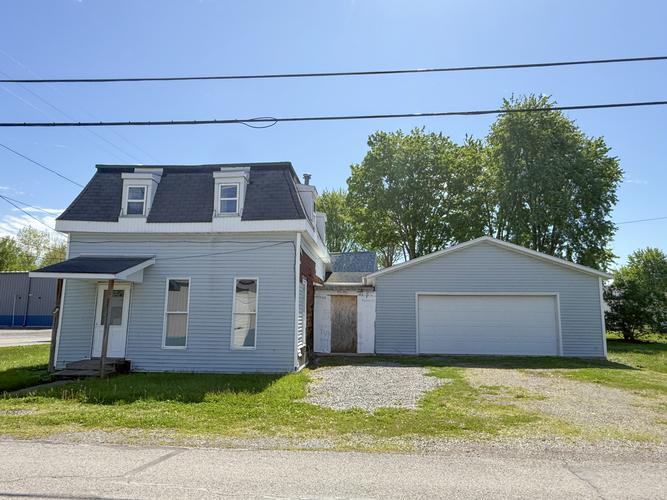
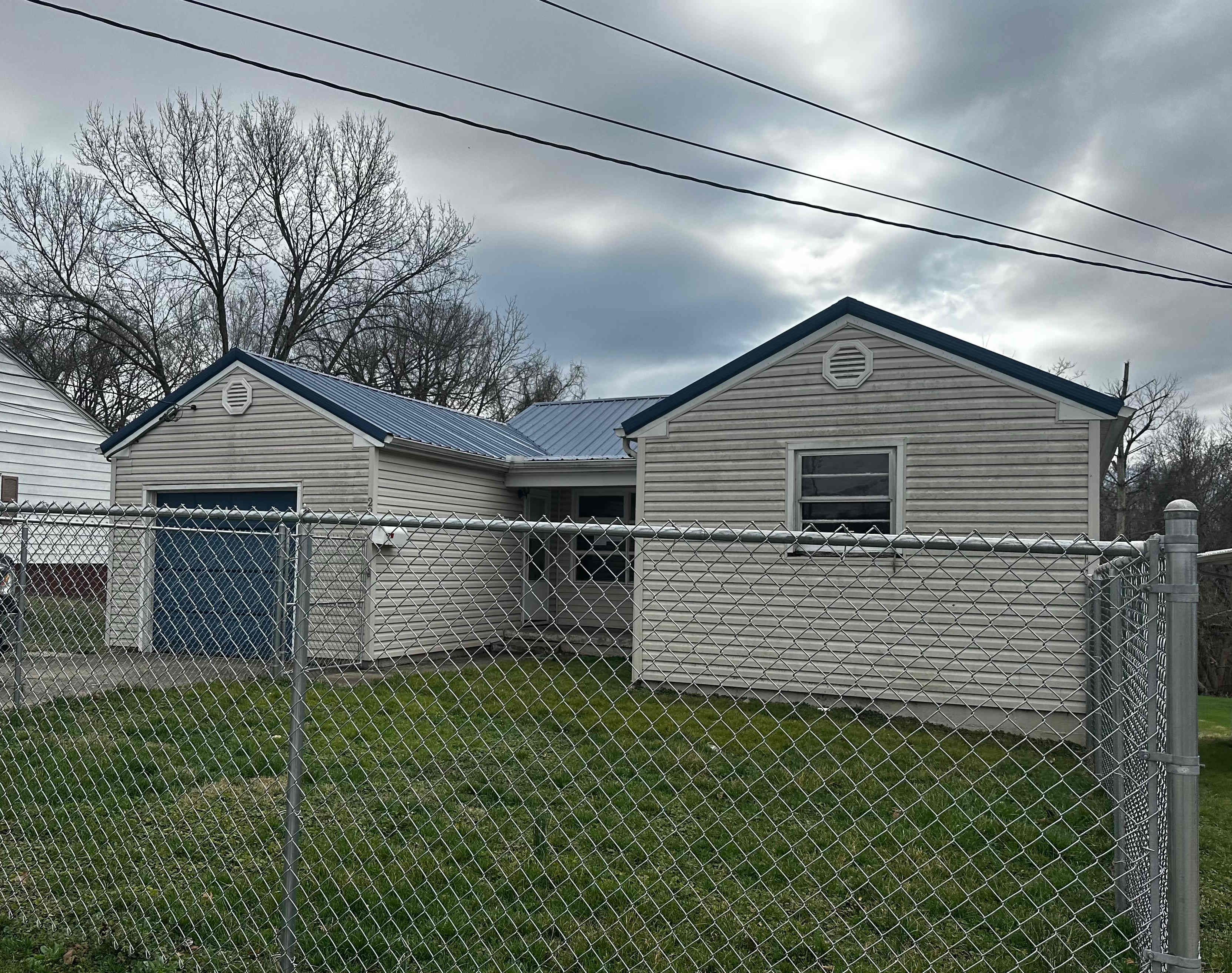
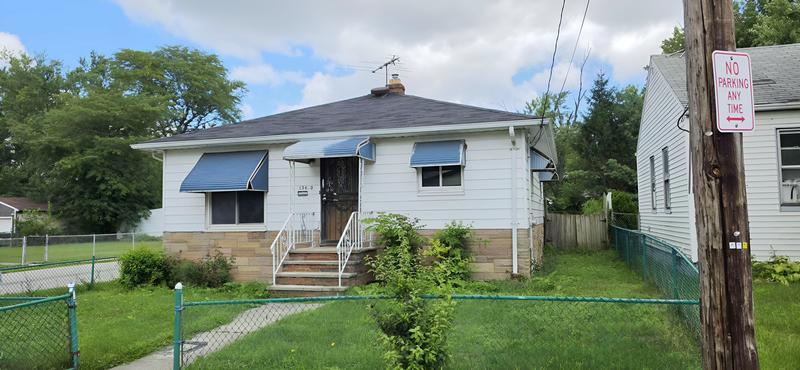
Cincinnati runs one of the more sophisticated land banks in the country. The Hamilton County Landbank — operated by The Port — holds ~1,600 tax-foreclosed properties and resells them through an application process built around redevelopment, not just disposal.
The Port, not a typical land bank
Most land banks are inventory managers. Cincinnati's is run by The Port (the Port of Greater Cincinnati Development Authority), a development agency — which gives its land bank a redevelopment tilt:
- ~1,600 active listings across Hamilton County.
- Application-priced — every deal is a proposal reviewed against The Port's goals, not a sticker you filter by.
- Redevelopment focus — it wants properties rehabbed and reoccupied, and favors buyers who can make that happen.
The City of Cincinnati also disposes of some surplus property directly, but The Port's land bank is the main countywide channel.
How its application process works
Like St. Louis and Philadelphia, Cincinnati makes you apply rather than shop a price. You tell The Port what you'll do with the property; it reviews against condition, your funds, and its redevelopment priorities. That means:
- Owner-occupants and community-serving uses get priority.
- A real plan wins — vague applications stall against a development-minded reviewer.
- Deeds carry conditions — rehab commitments and timelines are common.
Browse the live Cincinnati inventory to see what's currently available.
The buying process
- Find the property on the map and confirm it's land-bank held.
- Check adjacency — the side-lot path is cheapest for neighbors.
- Apply with a plan: proposed use, proof of funds, and a renovation plan for structures. Expect a review cycle, not an instant sale.
- Budget the whole project. A cheap Cincinnati parcel still carries closing and — for a building — real renovation cost. Check it against neighborhood value before committing.
Where Cincinnati fits
Ohio holds the largest land bank inventory in the country, and Cincinnati is its most development-driven corner — a good market for buyers with a genuine rehab or reuse plan rather than pure bargain hunters. Pair it with the Ohio guide and, for the sticker-priced contrast, Cleveland.