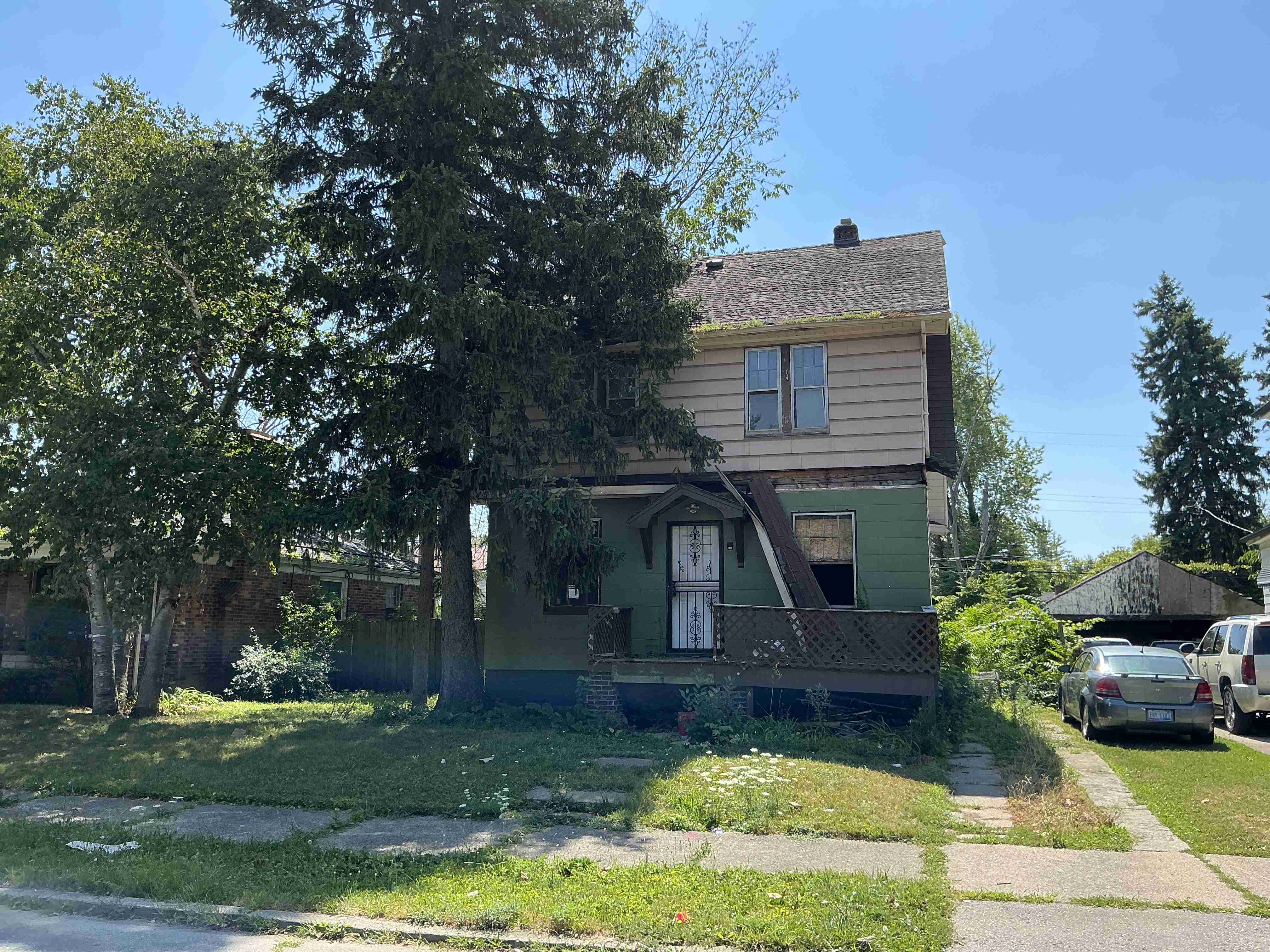
The question behind a lot of land bank searches is simple: can I actually live in one of these? The answer is yes — and for many land banks, an owner who moves in is the ideal buyer. But there's a sequence to it, and the deed usually has something to say.
Land banks often prefer owner-occupants
Land banks exist to rebuild neighborhoods, and nothing rebuilds a block like a resident who fixes up a house and stays. So most programs tilt toward you:
- Priority. Owner-occupants frequently get first pick and the best pricing, ahead of investors, on the same parcel.
- Requirements. Some programs go further and require owner-occupancy for a set period — a feature if you're planning to live there, a dealbreaker if you wanted to rent it out.
Which one applies is program-specific. Every listing on the map links to the official source where the occupancy terms are spelled out — read them before you apply.
But you rehab first, live second
Here's the part that surprises first-time buyers: you usually can't just get the keys and move in. Most land bank houses are sold as-is after years vacant — utilities off, code issues open. The normal sequence:
- Buy through the application, often with a renovation plan attached.
- Renovate to code — frequently on a deadline the deed sets, commonly 6–18 months.
- Pass the certificate-of-occupancy inspection.
- Move in.
Trying to live there mid-renovation usually isn't legal until it passes inspection — no utilities or an open permit means no certificate of occupancy. Budget somewhere to live until the core work is done.
Who this makes it right for
If you want to live in the house, a land bank is one of the few places you can buy a home for a few thousand dollars and get program priority for doing exactly that — see the worth-it verdict for owner-occupants. If you wanted a rental, check each program for occupancy strings before you commit; some allow it, some don't.
.jpg)