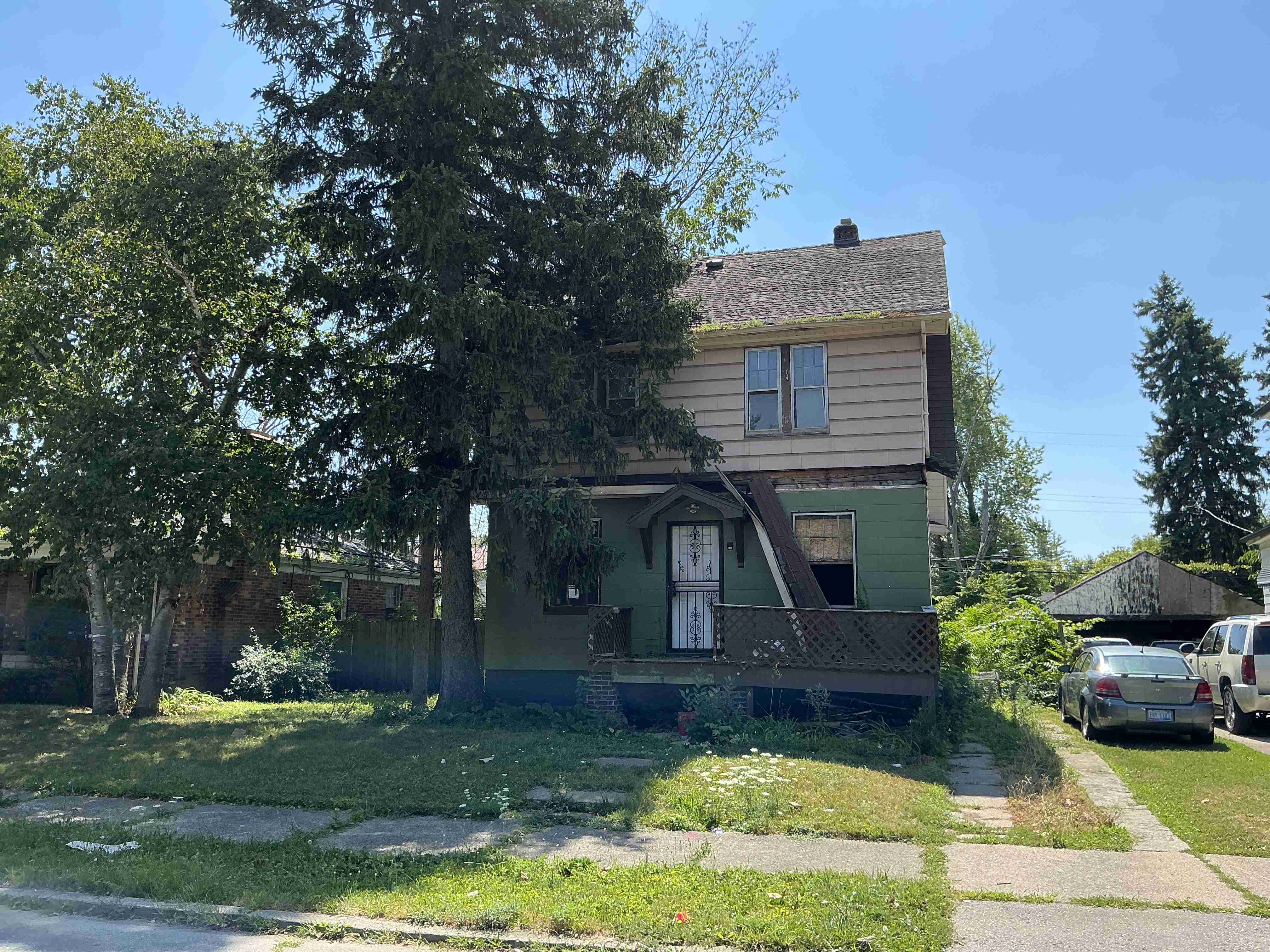
Flipping is the first thing investors ask about land bank houses, and the answer is a qualified yes: you can flip them, but the deed usually has rules, and the math is stricter than the sticker suggests. Here's what actually governs it.
The deed conditions that matter
Land banks exist to put property back to productive use, not to feed speculation — so many attach conditions designed to stop exactly the quick, vacant flip:
- Renovation deadlines. Complete the rehab within 6–18 months or face penalties, sometimes forfeiture.
- Deed-in-escrow. You don't get clear title until the required work is done — so you can't resell a vacant shell (more on land bank title).
- No-resale windows. A period during which you can't sell, or must sell to an owner-occupant.
- Owner-occupancy clauses on some programs, which rule out a pure flip entirely.
None of this makes flipping impossible — it makes reading the specific program non-negotiable. Every listing on the map links to the official source where the rules are spelled out.
The math is where flips die
Even with a clean deed, the low price is a trap for the careless. The purchase is the smallest number in a land bank flip; the renovation is the real cost, and the neighborhood caps your exit. The only equation that matters:
Purchase + renovation ≤ ~70% of after-repair value.
On a $5,000 house that needs $70,000 of work in a neighborhood where finished homes sell for $60,000, you lose — no matter how cheap the entry. The deal-check tool on every parcel page runs this in five seconds; our worth-it verdict covers who comes out ahead.
The markets that flip best
Where structures are plentiful, comps are honest, and prices are posted, the underwriting is easiest:
- Flint / Genesee County — thousands of structures, the deepest house market.
- Memphis — a fully priced list.
- Pittsburgh — priced inventory, transparent to underwrite.
The investor's short version
Flipping a land bank house is a diligence game, not a bargain hunt. Read the deed for conditions, budget the renovation from an inspection, run the ARV math, and buy only where the finished house clears your all-in cost. Do that and the low entry price becomes an edge; skip it and it becomes a liability.
.jpg)