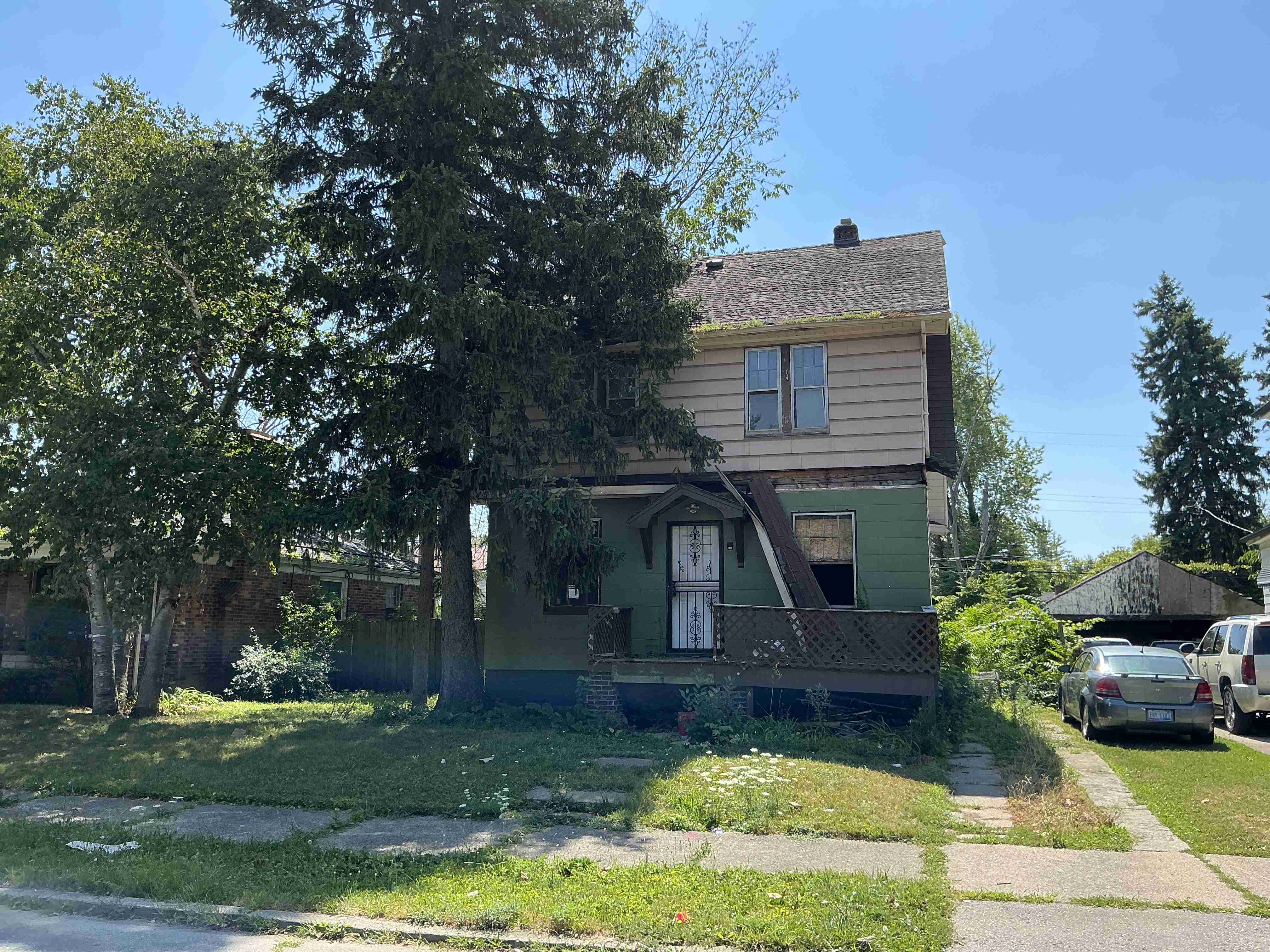
Almost every cheap house in America starts the same way: someone stopped paying property taxes. "How to buy tax-delinquent property" is really a question about where in that pipeline you jump in — and the earlier you jump, the cheaper and riskier it gets. Here are the four paths, ranked by risk:
- Tax lien. You buy the debt at auction and collect interest, or eventually foreclose. You're not buying a house; you're buying a claim that may or may not convert. Highest complexity, real risk it never becomes yours.
- Tax deed. You buy the property at a tax sale, often sight-unseen. You get the parcel, but possibly with clouded title, other liens, or occupants to remove. Cheapest headline price, most legal risk.
- Repository / surplus list. The county's leftovers that failed at auction, sold for a few hundred dollars. Often the unbuildable slivers nobody wanted; diligence is the whole game (the TikTok "cheap land hack" is this).
- Land bank. Property a land bank already foreclosed on, cleared the title, and resells through an application. Most of the discount, least of the risk.
This guide walks the full pipeline first, then each path in detail — what you're actually buying, how the process works, and where the risk hides — so you can pick the door that fits your cash, patience, and appetite for legal work.
The tax-delinquency pipeline
Every path below is the same story at a different stage. It helps to see the whole conveyor belt before deciding where to stand on it.
1. Delinquency. An owner misses a property tax bill. The county adds penalties and interest and starts mailing notices. The property is still privately owned — and still buyable in an ordinary sale, where the debt simply gets paid off at closing. That pre-auction move is its own strategy; our guide to buying a house with a tax lien covers it.
2. The lien. The unpaid taxes become a lien — a claim against the property that outranks nearly everything else on the title, including the mortgage. In many states the county sells that lien to investors to get its cash back now; in others it holds the claim itself and waits.
3. Foreclosure. If the debt isn't paid during the redemption window, whoever holds the lien — county or investor — forecloses. This is a legal process with notices, deadlines, and court involvement, and it's where the former owner's rights are finally cut off.
4. Auction. The foreclosed property goes to a public sale — a tax deed auction, a sheriff's sale, a treasurer's sale; the name varies by state. This is the moment ownership actually changes hands for cash.
5. The leftovers. Parcels that attract no bids don't vanish. They land on the county's repository or surplus list, priced to move and waiting for anyone willing to take them.
6. The land bank. In roughly 20 states plus Puerto Rico, land banks pull tax-foreclosed property out of this pipeline — before, at, or after auction — clear the title, and resell it through a documented process.
You can buy at four of those stages. Here's how each one actually works.
Path 1: Tax lien auctions
At a tax lien sale you are not buying a house. You're buying the county's claim to the unpaid taxes — a certificate that entitles you to collect the debt plus interest, at rates set by each state's statute (sometimes 8–18%).
Counties auction these certificates two main ways:
- Bid-down auctions. The interest rate starts at the statutory maximum and bidders compete it downward — whoever accepts the lowest rate wins the certificate. On desirable properties in competitive counties, rates get bid close to zero.
- Premium auctions. Bidders offer cash above the face value of the lien. In some states the premium isn't returned when the owner redeems, so every dollar of it comes straight out of your yield.
Then you wait. The owner has a redemption period — months to years, depending on the state — to pay the debt plus interest, and most owners (or their mortgage lenders, protecting their own position) do exactly that. You get your money back with interest. You never touch the property.
Only if the owner never redeems can you foreclose — a separate legal process with its own timeline, paperwork, and lawyer's bill. That's the part the "houses for pennies" courses skip: the overwhelming majority of liens end in redemption, not ownership. Treated as a fixed-income product, liens can work. Treated as a house-buying strategy, they mostly produce interest checks and waiting.
Our tax liens vs. tax deeds explainer has the full mechanics, including how liens differ from deeds state by state. If you do want to pursue liens all the way to a house, start with how to buy tax lien homes, which covers the foreclosure leg most guides wave away.
Path 2: Tax deed sales
At a tax deed sale you're buying the property itself (or the county's interest in it). The minimum bid is usually built from the back taxes, penalties, and sale costs, and bidding goes up from there. This is where the headline bargains live — and where three risks ride along with them.
Title. A tax deed is not clean title. Old liens, unnotified heirs, and procedural defects can survive the sale, and title insurers generally won't insure the property until a court confirms you own it free and clear — a quiet title action, which in many counties means months of legal work and real fees before you can insure, finance, or resell. Until then you own something you can't easily sell. (Here's what clear title actually means and why it's the whole ballgame.)
Occupants. The former owner or a tenant may still live in the house. You inherit that situation, and getting possession means a formal eviction through the courts — changing the locks yourself is illegal nearly everywhere and can flip you from owner to defendant in a lawsuit you'd otherwise have won.
Redemption. In some states the sale isn't even final. The former owner keeps a post-sale window to redeem, and you hold the deed in limbo — unable to invest in the property with confidence — until that window closes.
Add sight-unseen condition and no interior inspection, and the pattern is predictable: the properties worth owning get bid up by professionals who have priced all of the above, and the ones that go cheap are cheap for a reason. Our liens vs. deeds comparison covers which states use which system and what that means for your bid.
Path 3: Repository and surplus lists
Parcels that fail at auction land on the county's repository or surplus list, often sold over the counter for a few hundred dollars. No bidding, no waiting — fill out a form, pay, own.
The catch is why they failed. Repository lists are dominated by the parcels nobody wanted at any price: unbuildable slivers, landlocked strips, flood-prone lots, structures past saving. Diligence is the entire game — the viral TikTok "cheap land hack" is exactly this list, minus the diligence. Real finds exist, but they're exceptions you earn by checking parcel maps, zoning, access, and condition before paying, not after.
Path 4: Land banks (the cleaned-up end)
The fourth path is the same tax-foreclosed property — after someone else has absorbed the risk. A land bank is a public agency that takes property out of the pipeline above, clears the back taxes and title problems, sometimes demolishes or stabilizes the structure, and resells it with an insurable deed through a documented application process.
You give up two things versus a raw tax sale: the absolute lowest price, and speed — land banks use applications, not same-day gavels, and approvals take weeks. In exchange you get title you can insure, financing you can actually get, rules in writing, and a seller whose mission is your success rather than your deposit.
That's why land banks are the safe end of the pipeline: most of the discount, a fraction of the risk. Every listing on our map and cheapest-houses page is exactly that — tax-delinquent property a land bank has already turned into a buyable, insurable deal, linked to its official source.
Which path fits which buyer
| Path | What you get | Typical price | Title risk | Timeline | Best for |
|---|---|---|---|---|---|
| Tax lien | The debt plus interest; the property only if it never redeems | Face value of the taxes (or above, at premium auctions) | None until you foreclose — then it's yours to resolve | Months to years (redemption, then foreclosure) | Yield investors, not house hunters |
| Tax deed | The property, as-is, sight-unseen | Back taxes plus whatever the room bids | High — quiet title usually needed before insuring | Fast sale; months more to clean title | Experienced cash buyers with counsel |
| Repository list | The parcels that failed at auction | A few hundred dollars | High, plus buildability risk | Days to buy; diligence first | Bargain hunters who verify everything |
| Land bank | Foreclosed property with title already cleared | $1,000–$20,000 homes; lots for a few hundred | Low — usually insurable at closing | Weeks to a few months, application-based | First-timers, owner-occupants, most investors |
The honest summary: liens are an interest-rate play, deeds are a professional venue, repository lists are a diligence contest, and land banks are the one path designed for a normal buyer to succeed. If you're weighing the last row against the first three, our land bank vs. tax sale vs. foreclosure guide makes the side-by-side case in full.
State-by-state differences
None of this works the same in two states. Some states sell liens, some sell deeds, several run both systems county by county, and a few sell "redeemable deeds" that sit in between. Redemption windows and interest rates are set by each state's statute, and the sale itself might be run by the treasurer, the sheriff, or an online platform depending on where the parcel sits. Before bidding anywhere, read that state's rules — the same dollar figure can carry a completely different risk profile across a county line.
The three states we get asked about most show the spread. Ohio runs both systems (larger counties can sell lien certificates while others foreclose straight to deed auctions) and feeds one of the country's biggest county land bank networks (full Ohio guide). Michigan ended lien sales to investors; county treasurers foreclose directly and auction the deeds, with unsold parcels flowing into some of the nation's most active land banks (Michigan guide). Texas sells redeemable deeds: you take the deed home from the auction, but the former owner keeps a redemption window (short for most property, longer for homesteads) and pays a steep statutory penalty to reclaim it (Texas guide). And Arkansas centralizes the whole pipeline in one state office, with an always-open online list of unsold parcels priced at the tax debt (Arkansas guide).
The bottom line
If you're experienced, cash-ready, and comfortable with title work, tax deeds and repository lists can be cheapest of all. If you want yield rather than houses, liens are a legitimate instrument — just not a shortcut to real estate. For everyone else — and for anyone who wants to finance or live in the result — land banks give you nearly the same discount with a fraction of the risk. Start there.
Start here
- Tax liens vs. tax deeds: which one gets you the property?
- How to buy tax lien homes
- Buying a house with a tax lien on it
- Tax-delinquent property in Ohio
- Tax-delinquent property in Michigan
- Tax-delinquent property in Texas
- Tax-delinquent property in Arkansas
- Land bank vs tax sale vs foreclosure
- Land bank vs HUD homes vs foreclosures
- Browse title-cleared land bank inventory, live

.jpg)