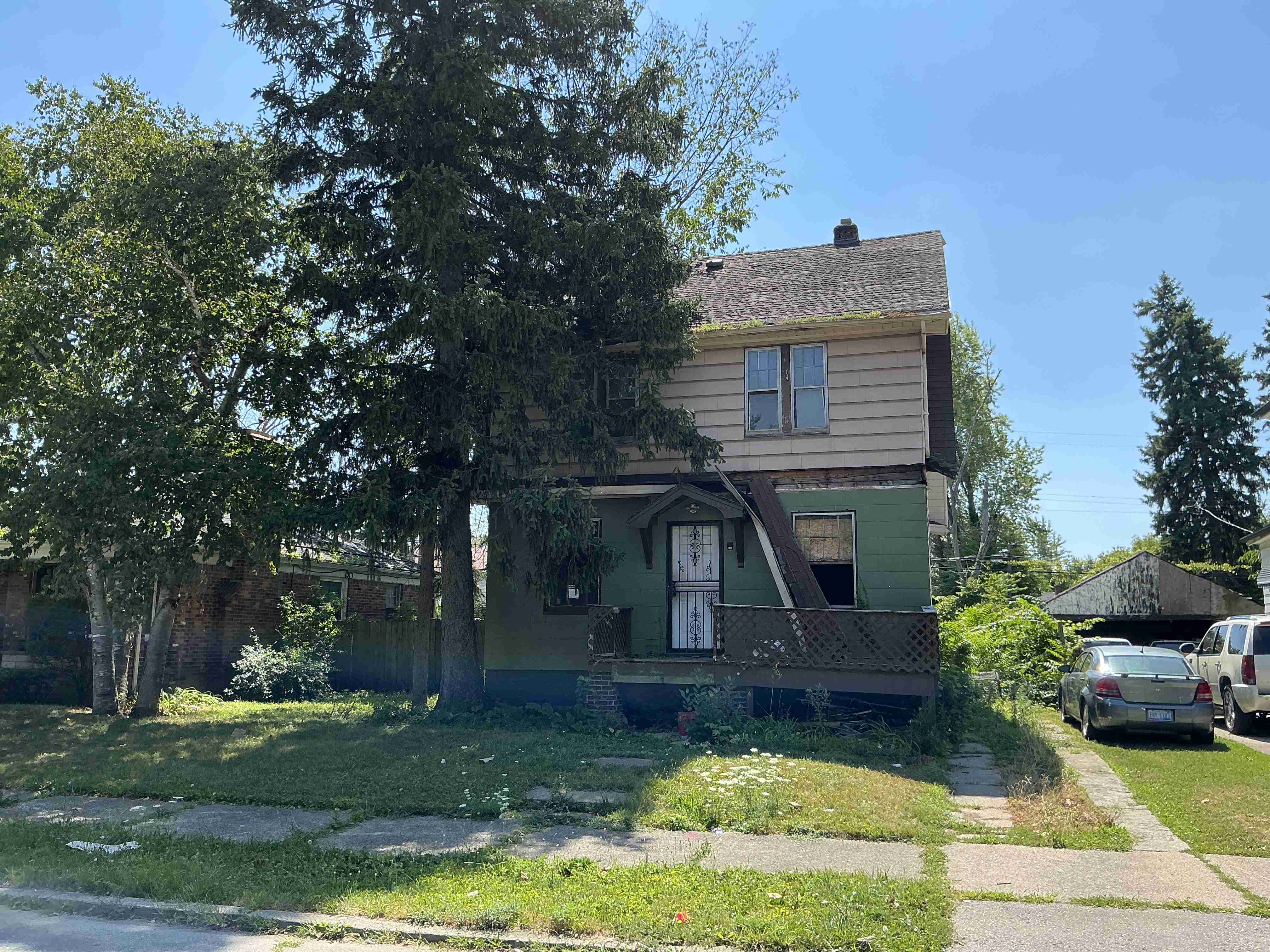
Short answer: usually yes — and it's the single biggest reason to buy from a land bank instead of a tax sale. Clearing the legal wreckage that tax-delinquent property accumulates is the land bank's core function. But "clear title" and "guaranteed title" are different things, and the difference is worth two minutes of your attention before you wire money.
Why land bank title is usually clean
Land banks receive property through tax foreclosure processes that are designed to extinguish prior claims — back taxes, most liens, the previous owner's interest. Many land banks then take the extra step of quieting title in court before reselling. By the time a parcel hits the public list, the messy history is typically resolved. That work is what you're paying for: it's why a land bank house costs $5,000 while the auction next door costs $500 plus years of lien roulette — the full comparison is here.
The catch: quitclaim-style deeds
Most land banks convey with a quitclaim or similar limited deed — "we transfer whatever interest we have" — rather than a warranty deed that guarantees the title. Clean title, no guarantee. The practical consequences:
- Run a title search. Cheap, fast, and it catches the exceptions: surviving municipal judgments, utility liens, or recording gaps.
- Buy title insurance when the stakes justify it. Renovating, building, or reselling? Get the policy. Lenders will require it anyway — relevant if you're using renovation financing.
- Get the specific parcel's status in writing. Land banks answer this question daily; ask whether title was quieted and what deed type you'll receive.
Deed conditions are not title problems
Don't confuse liens with the land bank's own strings. Renovation deadlines, owner-occupancy periods, and reverter clauses (finish the rehab or the parcel goes back) are deliberate program features, spelled out in your agreement — standard practice in Ohio and Michigan especially. They don't cloud your title; they define your obligations. Read them before you apply, not at closing.

.jpg)