Michigan runs one of the country's fastest — and by far its most uniform — tax-foreclosure machines. Public Act 123 of 1999 scrapped the old lien-sale system and replaced it with a strict three-year conveyor: delinquent, forfeited, foreclosed. No investor lien auctions, no post-sale redemption. The county takes title free of most liens, then either auctions the property or hands it to a land bank — and that second path is why Michigan land banks hold the largest inventories in America. If the general pipeline is new to you, start with the national guide; this post is the Michigan layer: how the clock runs, how the treasurer auctions work, and why so much property skips the auction block entirely.
The three-year clock
Michigan's process is set by state statute and run by county treasurers, so the calendar is unusually uniform. Fees, platforms, and local practice still vary county to county; confirm details with the treasurer running the sale. The skeleton:
- Year one: delinquent. Property taxes unpaid on March 1 of the year after they were levied are returned to the county treasurer as delinquent. Interest and fees start stacking, and the treasurer sends a series of statutory notices to the owner and anyone else with an interest.
- Year two: forfeited. On the following March 1, the parcel is forfeited to the county treasurer. Forfeiture is not loss of title — the owner can still redeem — but it is the tripwire that starts foreclosure: steeper interest, a title search, and personal service of notice.
- Year three: foreclosed. The treasurer petitions the circuit court, the owner gets a hearing, and if the debt isn't paid by the March 31 redemption deadline, fee simple title vests absolutely in the foreclosing governmental unit (MCL 211.78k).
Two parts of that last step matter enormously for buyers. First, the foreclosure judgment extinguishes most recorded liens and interests: the mortgage and the judgment liens do not follow the property. A few things can survive, such as certain government claims and visible easements, so title work is still worth doing — but by tax-deed standards a Michigan treasurer's deed is unusually solid. Second, redemption ends at the March 31 deadline, before the sale. There is no post-auction window in which the former owner can unwind your purchase.
County treasurer auctions
What happens after title vests follows a statutory order. The state gets a right of first refusal, local governments and the county land bank can claim parcels (next section), and everything left goes to public auction, compressed by statute into a midsummer-to-fall window that closes in early November.
Most counties contract their sales to one online platform, tax-sale.info, so much of the state's inventory is browsable in one place; a few large counties run their own sales. Mechanics to know:
- Round one: full-freight minimums. Each parcel is first offered at a minimum bid built from the delinquency — taxes, interest, penalties, and costs — and bidding goes up from there.
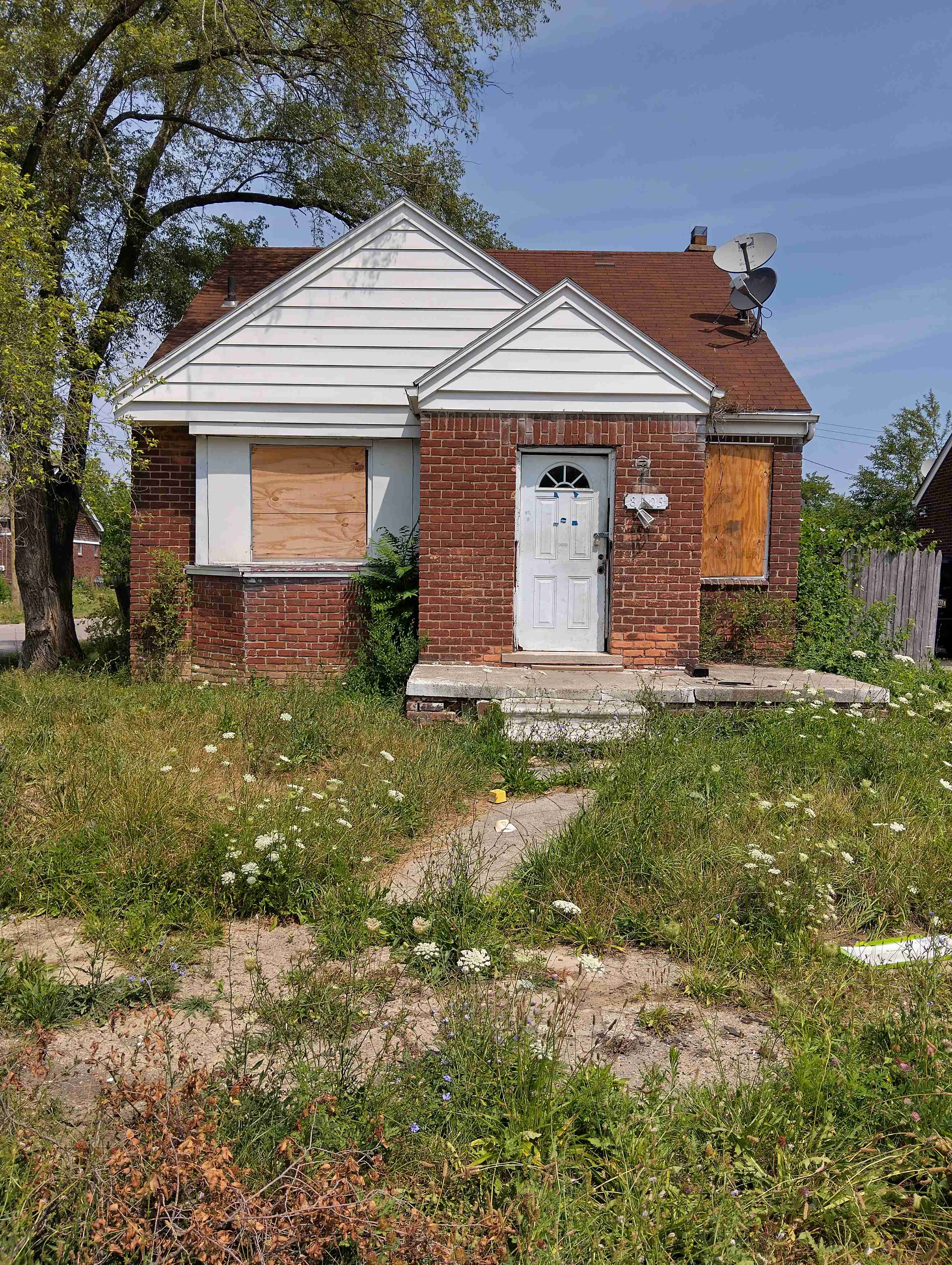
- Round two: the bargain hunt. No-bid parcels are re-offered weeks later at sharply reduced minimums, sometimes a few hundred dollars. This is where Michigan's lowest headline prices happen, and the inventory is exactly what a no-bid history implies: rough structures, odd lots, thin demand.
- As-is, sight-unseen. No interior access before the sale, no warranties after it. If the house is occupied, possession is your problem, through a formal eviction.
- Buyer restrictions. Counties commonly bar bidders with delinquent taxes or blight violations, and require registration and deposits before sale day. Read the county's rules before you plan around a parcel.
One post-2020 wrinkle: since the Michigan Supreme Court's Rafaeli, LLC v Oakland County decision, any surplus a winning bid generates above the tax debt belongs to the former owner, who can file a claim for it under MCL 211.78t. Michigan reached that conclusion under its own constitution nearly three years before the U.S. Supreme Court said the same thing nationally in Tyler v. Hennepin County. As the buyer you keep the property either way — the fight is over the money — but the claims process reshaped county incentives and added paperwork around every sale.
The land bank pipeline
Before any parcel reaches auction, MCL 211.78m runs a priority chain: the state can buy first, at the greater of the minimum bid or fair market value; then the city, village, or township, then the county, then the county's land bank authority — those generally at the minimum bid. (Where a former owner files a surplus claim, that transfer price moves to fair market value, which has made some counties choosier about what they pass along.)
That first-right chain, fed by the fast clock, is the faucet that filled Michigan's land banks. The 2003 Land Bank Fast Track Act, built on the Genesee County model out of Flint, let counties stand up land banks that receive tax-foreclosed property directly. Two decades of three-year cycles later, Michigan has 55 of them and the deepest land bank inventories in the country:
- The Detroit Land Bank Authority has held tens of thousands of parcels, sold through daily auctions, fixed-price listings, and side lots.
- The Genesee County Land Bank in Flint — the original — lists roughly 14,000 properties, about 3,500 of them with structures.
- The Michigan State Land Bank holds tax-reverted property in counties without a local land bank, much of it rural and Upper Peninsula land.
The practical upshot: in Michigan, a large share of tax-foreclosed property never crosses an auction block at all. It resurfaces on a land bank list, title already cleared, with a year-round application process instead of a fall sale date. That buying motion has its own playbook: how to buy land bank property in Michigan.
Auction vs land bank: which gets you the better deal
| Factor | Treasurer auction | Land bank |
|---|---|---|
| When | Midsummer to early November | Year-round |
| Price | Delinquency-based minimum; round two can go very low | Detroit bids from $1,000; lots for a few hundred |
| Title | Strong for a tax deed; verify anyway | Cleared, generally insurable |
| Condition | As-is, no interior access | As-is, but often inspectable |
| Strings | Few after closing | Applications, proof of funds, renovation deadlines |
| Best for | Experienced cash buyers on a fall calendar | First-timers, owner-occupants, most investors |
The honest ranking mirrors the national pillar. The auction's second round offers the absolute lowest prices to buyers equipped for sight-unseen risk on a once-a-year calendar, and land banks hand nearly the same discount to everyone else, all year, with title already handled. Michigan is the rare state where the second door is the stronger play even for experienced buyers: the land bank inventory is bigger, better documented, and easier to underwrite than what survives to auction. Unless you specifically want the fall auction game, start with the land banks.
.jpg)