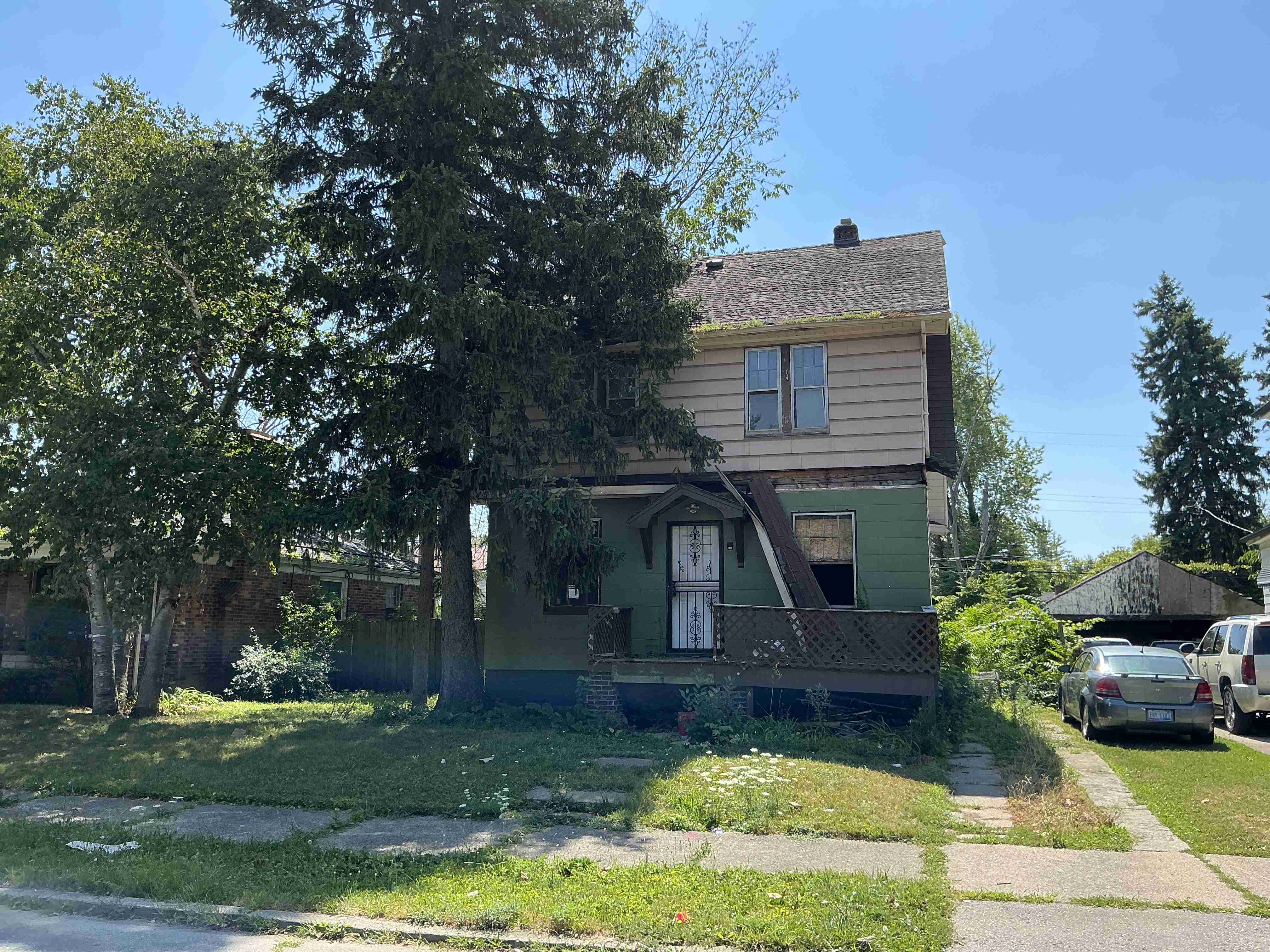
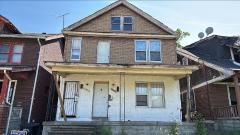
Michigan is where the modern land bank was invented — the Genesee County Land Bank in Flint pioneered the model in the early 2000s, and the state's 2003 Land Bank Fast Track Act became the template other states copied. Today Michigan has 55 land banks, and the inventory we track there — 20,000+ properties across 10 markets — is second only to Ohio, with a median asking price around $4,000.
It's also the state where programs differ most from one seller to the next, so this guide is organized around who you'd actually be buying from.
The big three sellers
Detroit Land Bank Authority (DLBA)
The DLBA holds tens of thousands of parcels and sells through distinct channels:
- Auction — online auctions of homes, typically opening at $1,000.
- Own It Now — fixed-price, as-is listings you can buy immediately.
- Side Lots — adjacent vacant lots to neighboring owners, around $100.
- Rehabbed & Ready — fully renovated, move-in homes at market-ish prices with normal financing.
Every DLBA structure sale comes with a compliance agreement: renovate and occupy (or activate) within roughly six months, documented with photos, or the deed reverts. Detroit enforces it. Budget the timeline as seriously as the money.
Genesee County Land Bank (Flint)
The original. Thousands of parcels — the largest count in the state — spanning $25–$100 side lots, as-is houses, and its Featured Homes program (renovated, priced accessibly, owner-occupant leaning). Process is application-based off its published list.
Michigan State Land Bank Authority
The state authority holds tax-reverted property in counties without a local land bank — largely rural and Upper Peninsula parcels. If you're hunting acreage or small-town property rather than city houses, its list is the one to watch.
Beyond the big three, we track county land banks for Wayne, Oakland, Ingham (Lansing), Calhoun (Battle Creek), Kalamazoo, Saginaw, and Grand Rapids — all 55 Michigan land banks are profiled in the national directory.
What's listed right now
Live counts, prices, and every parcel on a map: the Michigan hub has the current picture.
The Michigan buying process
The general playbook is the standard land bank process — application, proof of funds, renovation plan, compliance period. Michigan-specific notes:
- Match the program to your goal. Owner-occupant? Detroit auctions and Genesee Featured Homes tilt your way. Investor? Own It Now and county as-is lists are the lane — with stricter scrutiny of your track record.
- Proof of funds is checked, not waved. Detroit wants purchase + rehab funds documented at bid time; county land banks generally ask at application.
- Compliance is the real contract. Six-month renovation windows are short. Get contractor bids before you bid — see the financing guide for how buyers fund rehab at these price points.
- Winter is real. A Michigan house bought in November holds its problems under snow until April. Inspect accordingly.
Judging the block
Michigan's legacy-city markets — Detroit, Flint, Saginaw — have the widest block-to-block value swings in the country. Renovated comps within a few blocks, occupancy next door, and visible investment are the whole game; the first-timer's guide walks through it. Detroit adds one more tool: check whether the block sits in a targeted redevelopment area — DLBA concentrates its Rehabbed & Ready and demolition work, and buying where the city is already spending is buying with the current, not against it.
Start here
- Live Michigan inventory map
- All 55 Michigan land banks, profiled
- Cheapest houses in America: the 2026 data report — where Michigan fits the national picture
.jpg)