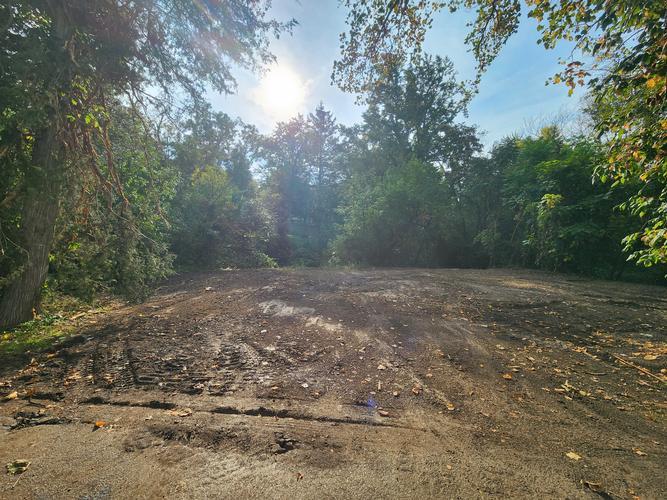
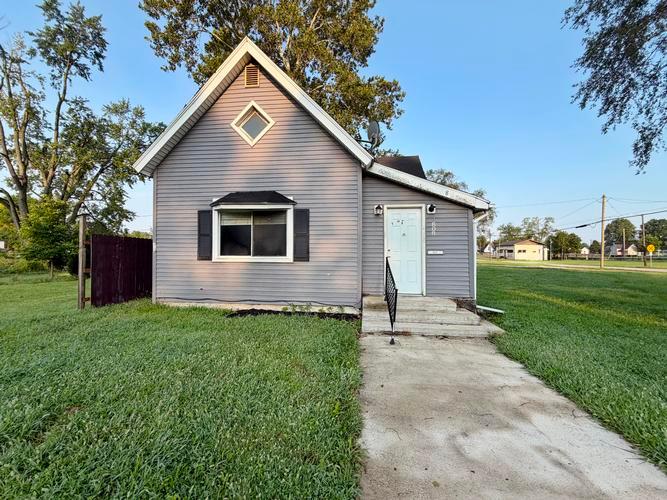
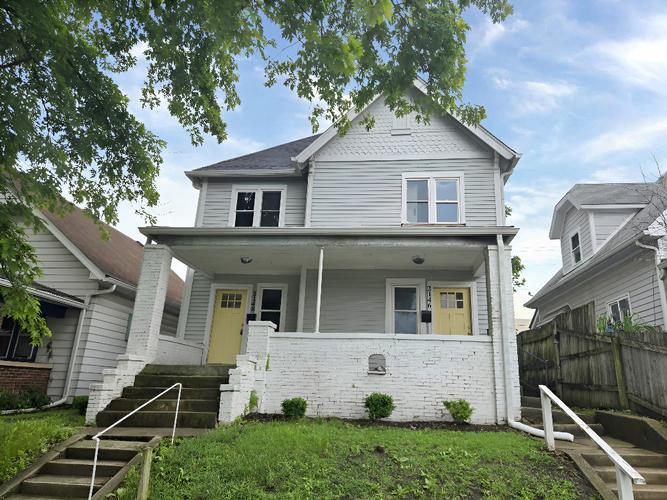
Land banking is young in Indiana. The oldest of the three land banks we track dates only to 2016, and together they list well over 100 parcels, most of them vacant lots in Evansville. Muncie sells through a structured lot auction, and a regional land bank in southern Indiana's Uplands is the only one of the three that posts prices.
The state's biggest city is the gap. Indianapolis now runs a land bank through the city's Vacant to Vibrant program, but it has no public sale feed we can track yet. So for now, buying Indiana land bank property means learning three very different playbooks.
Who sells land bank property in Indiana
Three land banks publish inventory we track, and every Indiana land bank we know of is profiled in our directory:
- Evansville Land Bank Corporation, the biggest feed. It "was formed in 2016 to demolish or rehabilitate dilapidated residential structures acquired through tax foreclosure or other methods, and return them to productive use," and its properties are "generally located within the center city." What it sells today is mostly vacant lots, by application. Evansville listings.
- Muncie Land Bank. Its stated mission is to "acquire abandoned and blighted property, preserve it, and provide it to the public for strategic redevelopment." It sells two ways, a Vacant Lot Auction and a Structures for Sale Program, both to vetted buyers with a plan. Muncie listings.
- Uplands Regional Land Bank, a nonprofit serving Crawford, Daviess, Greene, Lawrence, Martin, and Orange counties. It lists residential, agricultural, and commercial property with asking prices and takes applications through an online portal. Uplands listings.
Four more sit in the directory without a feed:
- Indianapolis Land Bank, run through the city's Vacant to Vibrant page.
- New Castle Land Bank, a municipal land bank.
- South Bend-Elkhart Regional Land Bank, based in St. Joseph County.
- Blackford Development Corporation, covering Blackford County.
What's listed right now
Evansville is the bulk of it: a hundred-odd vacant lots, none with a posted price, so every deal starts with an application. Muncie adds a couple dozen more, sold by bid or proposal. The Uplands list is the smallest but the only one that posts prices. Browse the live Indiana map to see all three, or open the explorer filtered to Indiana.
The Indiana buying process
Each land bank runs its own process. Pick the track that matches the parcel.
Evansville: application, then the board.
- Find the lot on the Evansville listings page. Many city lots are "banked for future projects including new home construction," so confirm the one you want is for sale.
- Submit the Property Purchase Application for vacant lots. The board of directors considers applications at its monthly meeting, and staff contact you with the decision afterward.
- Know the preferences. Narrow lots go preferentially to adjacent owners, and every unimproved lot sale requires a signed sale agreement.
- Call before you apply. The city publishes no buyer eligibility rules and no lot prices, so ask about both: (812) 760-2449, Monday through Friday, 8:00 a.m. to 4:30 p.m. Central, or visit Room 306 of the Civic Center Complex.
Houses are rare. When the land bank has one, it lists it with a local realtor on the Evansville MLS, takes purchase agreements through the listing agent, and requires a development agreement setting the rehab timeframe and the upgrade to local building code.
Muncie: an auction for lots, proposals for houses.
- Bid online through the Vacant Lot Auction after creating an account. The posted minimum bid is $500, which includes closing costs.
- Bring a plan unless you live next door. Other bidders submit a project proposal with a description, site plan, budget, and timeline. Next-door owners can skip the proposal but must agree to legally merge the lot with their property. Project budgets of $10,000 or more need proof of financing.
- Wait for the monthly review. The Acquisition & Disposition Committee meets the first Monday of each month and contacts bidders afterward.
- Improve first, then own. An approved lot is held under a Pass-Through Agreement: the land bank stays the owner until you finish the agreed improvements on schedule, then closes and records the deed to you.
The Structures for Sale Program is stricter: an in-person walkthrough, then a bid with a redevelopment proposal, then drawings, a site plan, budget, proof of financing, and a timeline. Most deeds carry redevelopment benchmarks, and the land bank can reclaim the property if you miss them. Buyers pay closing costs.
Uplands: priced listings, board review.
- Apply through the portal linked from the land bank's buy page. Setting up an account takes about a minute, and one account covers every application.
- Have your documents ready. For redevelopment, the board may ask for a construction budget, a development pro forma, a sources-and-uses summary, entity records and financials, and a loan commitment or bank term sheet.
- Know the pricing rules. Under its published policies, property sells at fair market value, but not less than $300 except side lots. Payment is cash, with no installment plans, and title work plus recording and transfer fees fall on the buyer.
- Know who goes first. Owner-occupants rank ahead of buyers renting to immediate family, who rank ahead of rental, land contract, and resale buyers. When equally ranked buyers want the same parcel, the land bank may ask for sealed best offers.
Every track: the common steps.
- Check the parcel on the map before you apply: frontage, neighbors, and whether a structure is still standing.
- Lead with adjacency if you have it. All three favor neighbors in some form: Evansville's narrow lots, Muncie's next-door bidders, and the Uplands side-lot program for owners sharing at least half of one boundary. Our side lot guide covers the general play.
- Budget past the price. Plan for closing and recording costs and for any rehab or improvement deadline written into your agreement. The full land bank buying guide walks through the rest.
Where the value concentrates
In Evansville, the land bank says the vast majority of its lots sit between Highway 41 and Pigeon Creek, the center city its mission targets. That is a lot buyer's market: infill building, side yards, and assembling neighboring parcels. In Muncie, the land bank's own project pages focus on the Old West End and the Whitely and Industry neighborhoods; check the Muncie listings to see where current lots and houses fall. The Uplands list is a handful of parcels spread across small towns in six rural counties, with the clearest prices in the state. At these sizes nearly every deal is cash, and the vacant lot next door guide is the right starting point if you already own nearby.