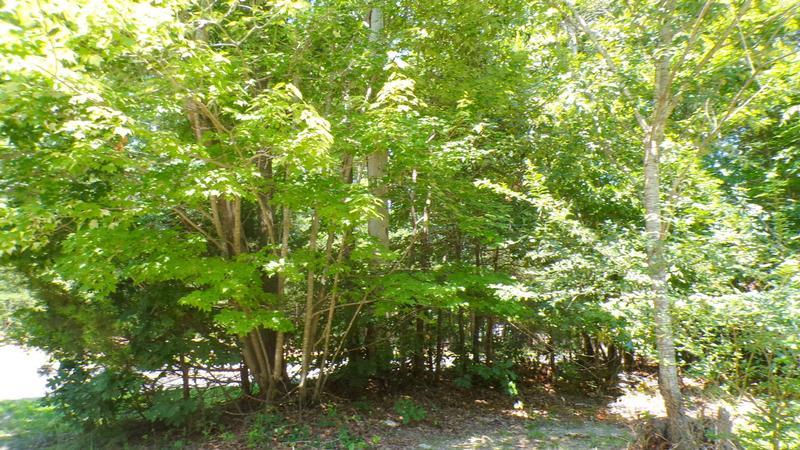
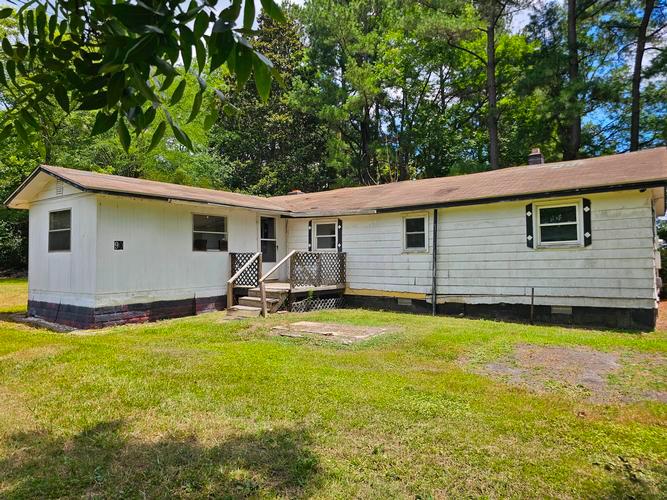
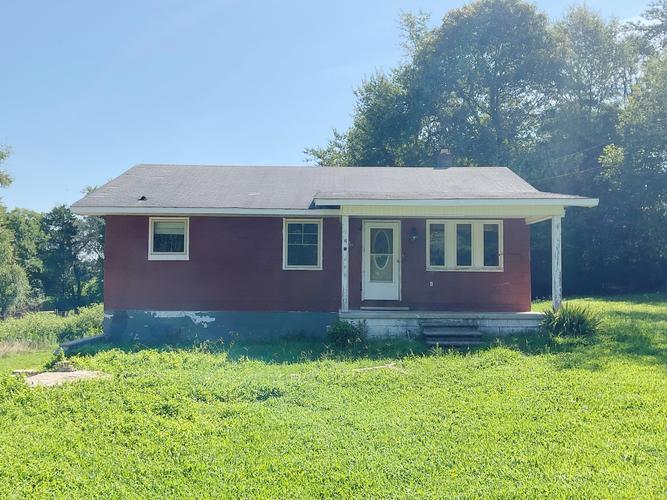
If you searched for a North Carolina land bank, here is the honest answer: the state doesn't really have them. North Carolina never passed the enabling law that lets Ohio, Michigan, or Georgia counties stand up an authority that takes in tax-foreclosed lots and republishes them for sale. So there is no county land bank list to browse. The same kind of cheap, government-touched property still exists, it just moves through three other routes: tax foreclosure sales, city and county surplus sales, and HUD and Fannie Mae HomePath homes.
The one land bank in North Carolina
The Northside Neighborhood Initiative and Land Bank in Chapel Hill is the exception, and it is profiled in our directory. Run through the Marian Cheek Jackson Center, it buys homes in the historically Black Northside and Pine Knolls neighborhoods as they come up for sale, repairs them, and resells them to families, affordable-housing nonprofits, and builders who fit the neighborhood's plans. There is no standing inventory list. You fill out the inquiry form on the Jackson Center's land bank page and get notified when a home becomes available.
It is a real program, but it moves a handful of homes, not hundreds. For everyone outside Chapel Hill, the routes below are where the inventory is.
Route one: tax foreclosure sales
North Carolina counties collect delinquent property taxes by foreclosing through the courts, and the property is then auctioned by a commissioner or the sheriff, usually with the county's contracted law firm running the sale. Many counties post upcoming sales on the tax office website, and a growing number run them online.
The detail that trips up first-time buyers is the upset bid period. Winning the auction does not end it:
- The high bid opens a 10-day window. Under G.S. 1-339.64, anyone can raise your bid by at least 5% (minimum $750) and post a deposit.
- Each upset restarts the clock. The bidding can go several rounds over weeks before a final high bidder stands.
- The court confirms the sale. Title passes by commissioner's or sheriff's deed once the sale is confirmed and you pay the balance.
- Check title anyway. A tax foreclosure deed is only as clean as the foreclosure was. Budget for a title search before you bid, and read tax liens vs tax deeds if the difference between the two is new to you.
How to buy tax-delinquent property covers the research side: finding the parcels, reading the judgment, and pricing your bid.
Route two: city and county surplus property
Cities and counties also end up holding land they don't need: lots from old foreclosures, leftover right-of-way, parcels from abandoned projects. They sell it under G.S. 160A-269, the negotiated offer and upset bid statute, and the process runs in your favor if you move first:
- Make an offer on a surplus parcel to the city or county, with the required deposit.
- The locality advertises it, and anyone can raise your offer with an upset bid during a 10-day window, just like a tax sale.
- The board approves the last offer standing. Some localities attach conditions, such as building affordable housing within a set time.
Watch your city's and county's real estate or surplus property pages; many publish the list of parcels they are willing to sell. This is the closest thing North Carolina has to a land bank list.
Route three: HUD and Fannie Mae HomePath homes
If you want a house rather than a lot, the federal foreclosure programs are the biggest source of government-owned homes in North Carolina. On October 3, 2026 we tracked 17 HUD homes and 29 Fannie Mae HomePath homes across the state, the cheapest around $31,000, with most priced near the local market.
- HUD homes are FHA-insured foreclosures. Owner-occupants get an exclusive bidding window before investors, and bids go through a HUD-registered agent.
- HomePath homes are Fannie Mae foreclosures. Owner-occupants get the first 20 days of every listing under the First Look program.
You can browse them on the North Carolina map, and land bank homes vs HUD homes vs foreclosures compares the routes side by side.
Which route fits you
- You want a move-in house: HUD and HomePath. Market-ish prices, but financing works and owner-occupants get first shot.
- You want a cheap lot to build on or hold: city and county surplus sales. Make the first offer and be ready for upset bids.
- You want the deepest discount and can handle risk: tax foreclosure sales, with a title search and patience for the upset rounds.
- You live in Chapel Hill and fit the program: contact the Northside land bank.
If you are willing to buy out of state, true land bank lists with posted prices are in the Midwest and South: Ohio, Michigan, and Georgia.