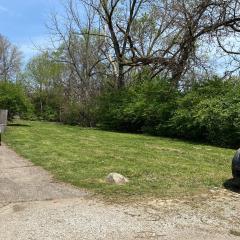
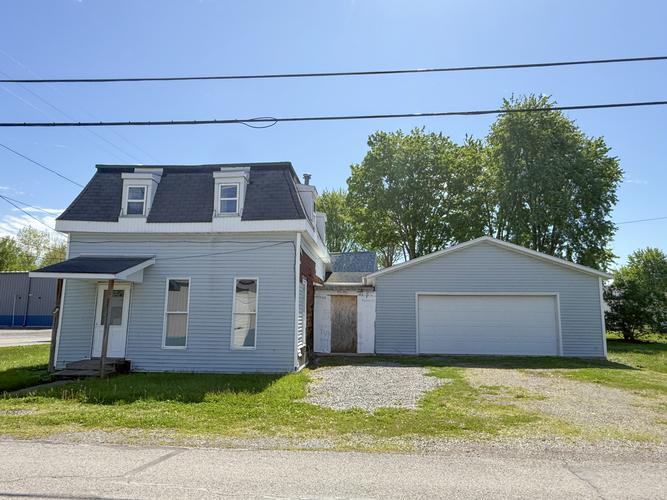
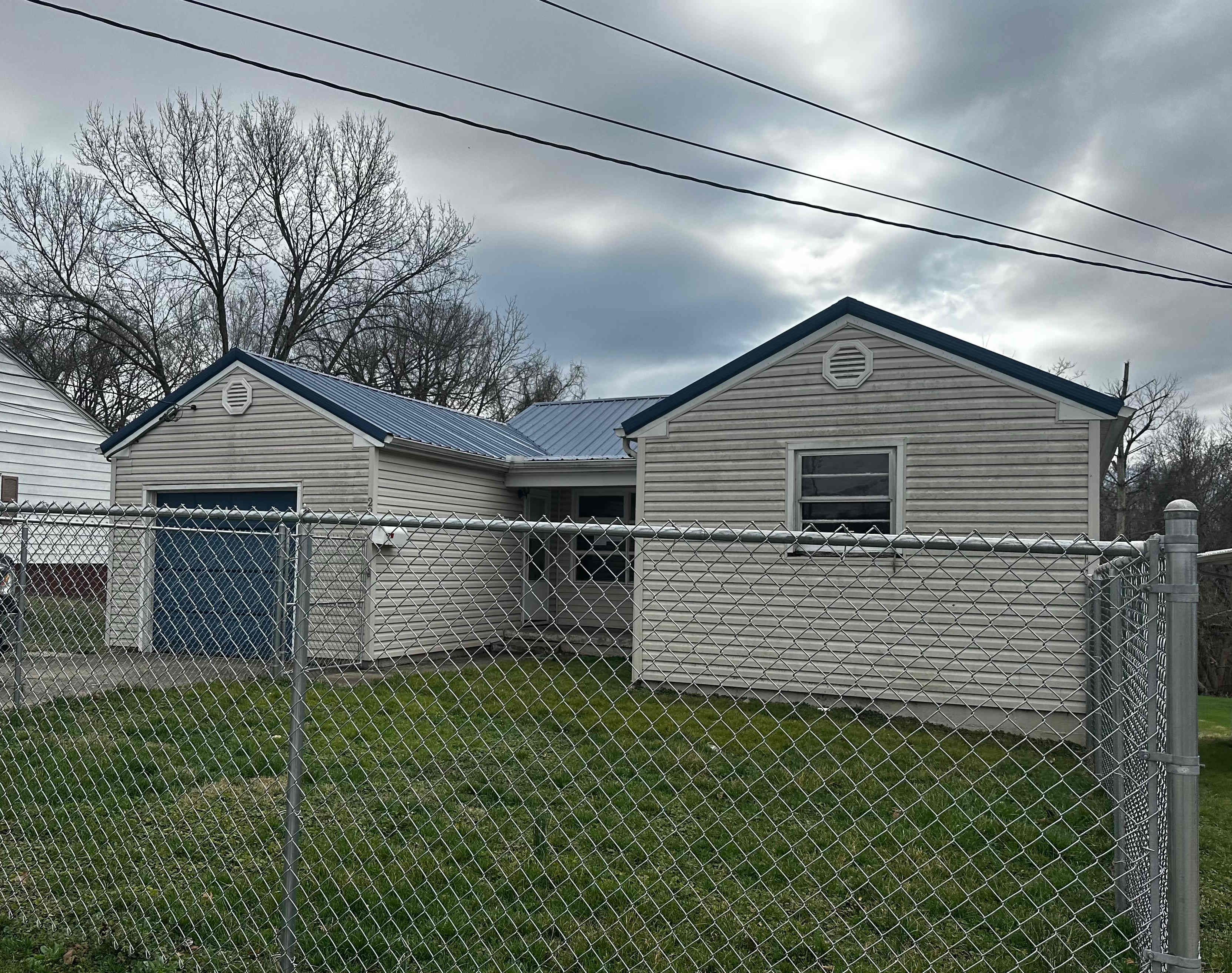
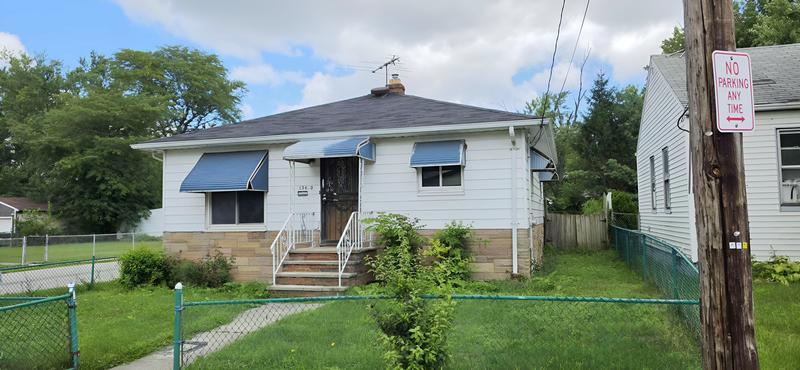
If land banking has a home state, it's Ohio. The county land bank model was invented here (Cuyahoga County, 2009), the state has 71 land banks — more than any other — and the inventory shows it: 22,000+ properties listed across the Ohio markets we track, with a median asking price around $3,200.
Here's how buying actually works in Ohio, and how the big county programs differ.
The two kinds of Ohio land bank
Ohio's system has a quirk worth understanding before you shop:
- County land banks (land reutilization corporations) — created under the 2009 law, funded partly by delinquent-tax assessment fees, one per county at most. Cuyahoga, Summit, Montgomery, Trumbull, Mahoning, Hamilton, Erie, Muskingum, and Clark county land banks are all in our tracked set.
- The Cleveland city land bank — older, separate from the Cuyahoga County land bank, and holder of the largest single land bank list in America (15,000+ parcels, mostly vacant lots priced per square foot — many under $500 total).
Same city, two different sellers with different rules. That pattern — process set locally, not statewide — is the main thing to internalize about Ohio.
What's listed right now
Roughly speaking: Cleveland dominates on lot count, the county land banks (Cuyahoga, Summit/Akron, Montgomery/Dayton, Trumbull, Mahoning/Youngstown, Hamilton/Cincinnati) carry more houses and rehab candidates, Erie County runs a smaller priced list, Muskingum County (Zanesville) posts minimum bids on a sealed-bid list (Muskingum listings), and Clark County (Springfield) lists vacant lots at the Auditor's appraised value (Clark County listings). Browse the live Ohio hub for current counts, or the full Ohio section of the national directory — all 71 Ohio land banks are profiled there, including the ones whose inventory we don't track yet.
The Ohio buying process
The mechanics follow the standard land bank playbook — the full guide is here — with Ohio specifics worth flagging:
- Find the parcel on the map or a county list.
- Check which programs apply. Ohio land banks run distinct tracks: side-lot programs (adjacent owners, often under $500), deed-in-escrow rehab programs (you get the deed after completing the renovation — common in Cleveland), owner-occupant featured homes, and straight investor sales.
- Apply with proof of funds and a scope of work. County land banks typically want contractor bids or a line-item budget for structures.
- Expect a compliance period. Deed-in-escrow and reverter clauses are standard Ohio practice — finish the rehab on schedule or the parcel goes back.
Financing note: most Ohio purchases are cash at these prices, but the state's big-city rehab programs and CDFIs stack well with land bank buys — see financing a land bank home for the 203(k) and local-program playbook.
Muskingum County's sealed bids. The Muskingum County land bank Board sets a minimum bid and a program (residential, side lot, or commercial) for each property, then offers it by sealed bid for about a month; unsold parcels stay in inventory. The minimum is usually half the County Auditor's appraised value, and the Board can raise or lower it. You bid on the Property Submittal Form, bids stay confidential, and the buyer pays closing costs on top of the price. For a structure, or if you say you'll build, the Board may put a right of reverter in the deed. The Board meets at 8 am on the first Thursday of each month, and its process sheet walks through a sale.
Clark County's vacant lots. The Clark County land bank lists its lots at the Auditor's appraised value, sold through the Vacant Lot Disposition Program or, for a lot next to a home you own and occupy, the Side Lot Program. If two or more buyers want the same lot, it goes to sealed bid. You can't be the foreclosed prior owner or their immediate family, and you can't own Clark County property with delinquent taxes; approved buyers sign a purchase agreement with a 10% deposit. Its Affordable Homes Program sells new builds to first-time, income-qualified households.
Where the value concentrates
Ohio rewards block-level homework more than market-level bargain hunting. Cleveland's east side, Youngstown, and Dayton all have streets where renovated comps justify a rehab and streets where they don't — often three blocks apart. The first-timer's guide covers how to judge a block; it applies doubly in Ohio's legacy cities.
For out-of-state buyers: Ohio land banks broadly do sell to non-locals, but the deed obligations don't care where you live — line up local contractors before you apply, not after.
Start here
- Live Ohio inventory map
- All 71 Ohio land banks, profiled
- What is a land bank? if the model is new to you