Pittsburgh is one of the friendlier land banks to shop, for one reason: it posts prices. Where St. Louis and Philadelphia make you apply to learn a number, the Pittsburgh Land Bank lists ~3,000 active properties with 500+ carrying real asking prices — from $100, median around $4,000 — plus roughly 230 with a structure.
Why transparency changes the game
Most of this market hides its prices behind an application (St. Louis is the classic example). Pittsburgh runs on the ePropertyPlus platform, so a big slice of its inventory comes with a sticker and a photo. That makes it one of the easier land banks to underwrite: you can filter by price, compare parcels, and know roughly what you'll pay before you invest a minute in an application.
- ~3,000 active listings across the city.
- 500+ with posted prices — from $100, median ~$4,000.
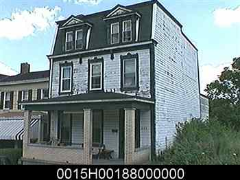
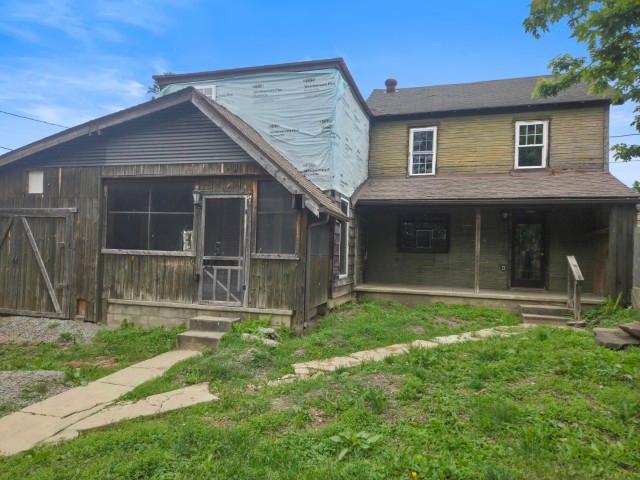
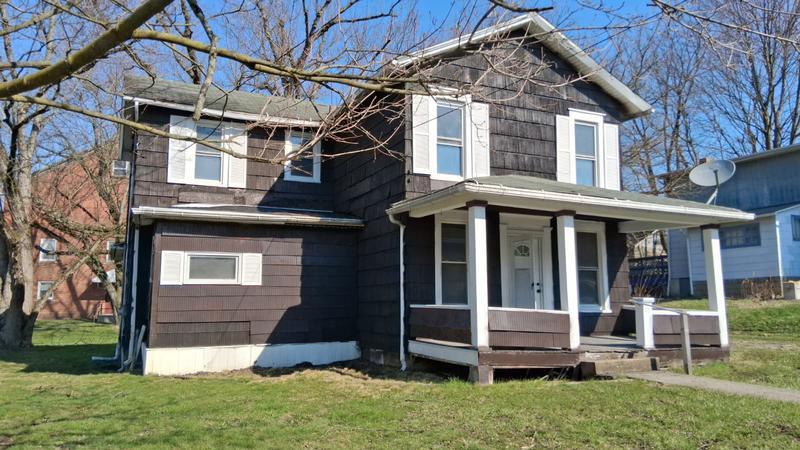
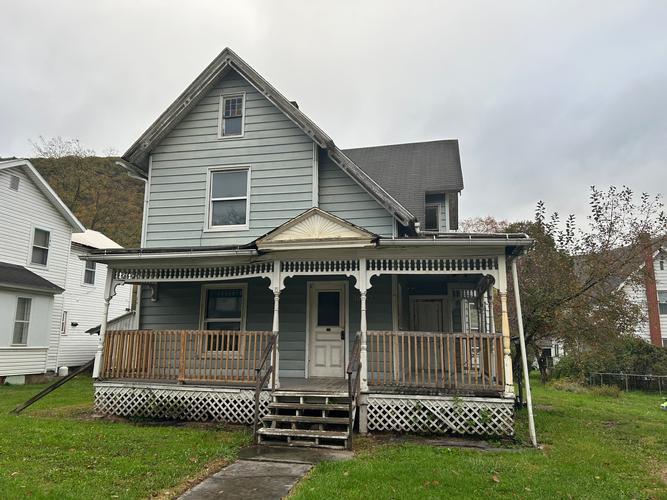
- ~230 with a structure — as-is, renovation expected.
Reading the price list
Pittsburgh's posted prices track size and condition:
- $100–$500 — small remnant and side lots, most valuable to the adjacent owner (how side lots work).
- Around the $4,000 median — standard vacant city lots.
- Higher — larger parcels and the structures, where the land bank expects a real project.
Sort the live Pittsburgh inventory by price and the tiers are obvious; filter to structures for the rehab stock.
The buying process
- Find the property on the map and note the posted price.
- Check adjacency — owning the neighboring parcel is the cheapest, fastest path on a side lot.
- Apply with proof of funds and, for a structure, a renovation plan. Owner-occupants and adjacent owners are prioritized.
- Budget past the price. The sticker is the small number; a Pittsburgh rehab is a real all-in project. Check it against the neighborhood value on each listing.
Where Pittsburgh fits
If you're learning this market, a priced land bank like Pittsburgh is the place to start — you can study how a legacy city prices its own land without gambling on an application. Compare it against Pennsylvania's other land banks and the national data report to see where the deals concentrate.