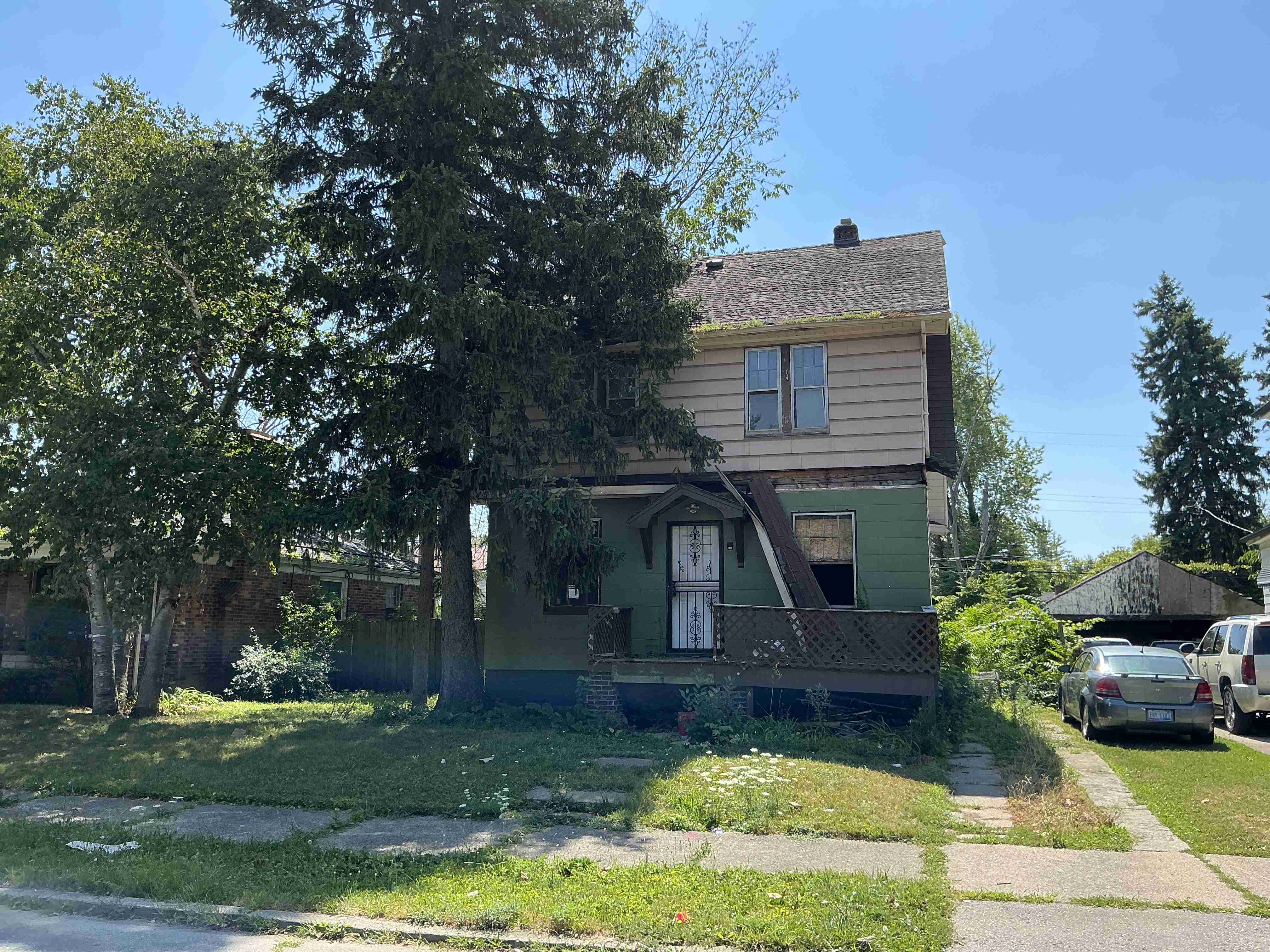
Short version: worth it is a buyer-type question, not a property question. The same $3,000 house is a great buy for one person and a disaster for another. Here's the honest verdict for each.
Neighbors buying side lots: almost always worth it
If a land bank sells the vacant lot next door for $1 to a few hundred dollars, take the win. You already maintain half of it, you know the block, and the added land raises what your property is worth at sale. The conditions (mow it, don't dump on it, sometimes combine it with your parcel) are things a good neighbor does anyway. This is the single highest-certainty deal in the land bank world.
Owner-occupants: worth it if you're renovation-honest
The pitch is real — a house for the price of a used car in a city where you want to live. The trap is also real: most land bank houses sat vacant for years, and the true all-in cost is the renovation, not the purchase. The buyers who win:
- Budget from an inspection, not a listing photo — roofs, plumbing, electrical, and windows are the usual four-figure-each line items.
- Can actually fund the work. Many programs require a renovation plan and proof of funds up front; some hold you to a deadline with teeth. Financing options exist, but a conventional mortgage usually isn't one of them at these prices.
- Buy where the finished house makes sense. Check the area's median home value (it's on every parcel page) — if your all-in cost lands well under it, you're building equity; if it lands over, you're donating.
Investors: worth it as a volume-and-diligence game
The margins are real — our data shows priced structures with a median around $12,000 in markets where renovated comps run several times that. But this is not passive investing:
- The purchase process is an application, not an offer — expect one to three months and program rules that favor owner-occupants in some cities.
- Deed conditions follow the sale. Rehab deadlines, no-flip windows, and compliance monitoring are common. Read them before bidding, not after.
- The neighborhood is the investment. A perfect rehab on the wrong block doesn't appraise. The deal-check math on every parcel page is the five-second version of this test.
When to walk away
- The program requires renovation funds you don't have.
- The house needs structural work and you can't price it.
- The all-in number exceeds the area's median value.
- You need to move in (or rent it) within a couple of months.
- You're buying sight-unseen off a listing photo. Always look — or pay a local to look.
The verdict
Land banks are the cheapest legitimate entry into US real estate — that's just what the data says. But the discount exists because the properties need work and the process has rules. Worth it belongs to buyers who treat the sticker price as a down payment on a project, not a price tag on a house.
See what's actually available: the live map · cheapest houses right now · find your nearest land bank.

.jpg)