The real-estate-guru industry runs on one idea: that buying property is so complicated you need a $997 course to attempt it. Here's what they don't tell you — the cheapest legitimate houses in America are sold by public agencies, through a written process, with the rules posted online. No license required. No LLC required. No cold-calling sellers at dinner.
This guide is for someone who has never bought any property and wants to buy a cheap one — to live in or as a first project.
Step 0: Understand what "cheap" buys you
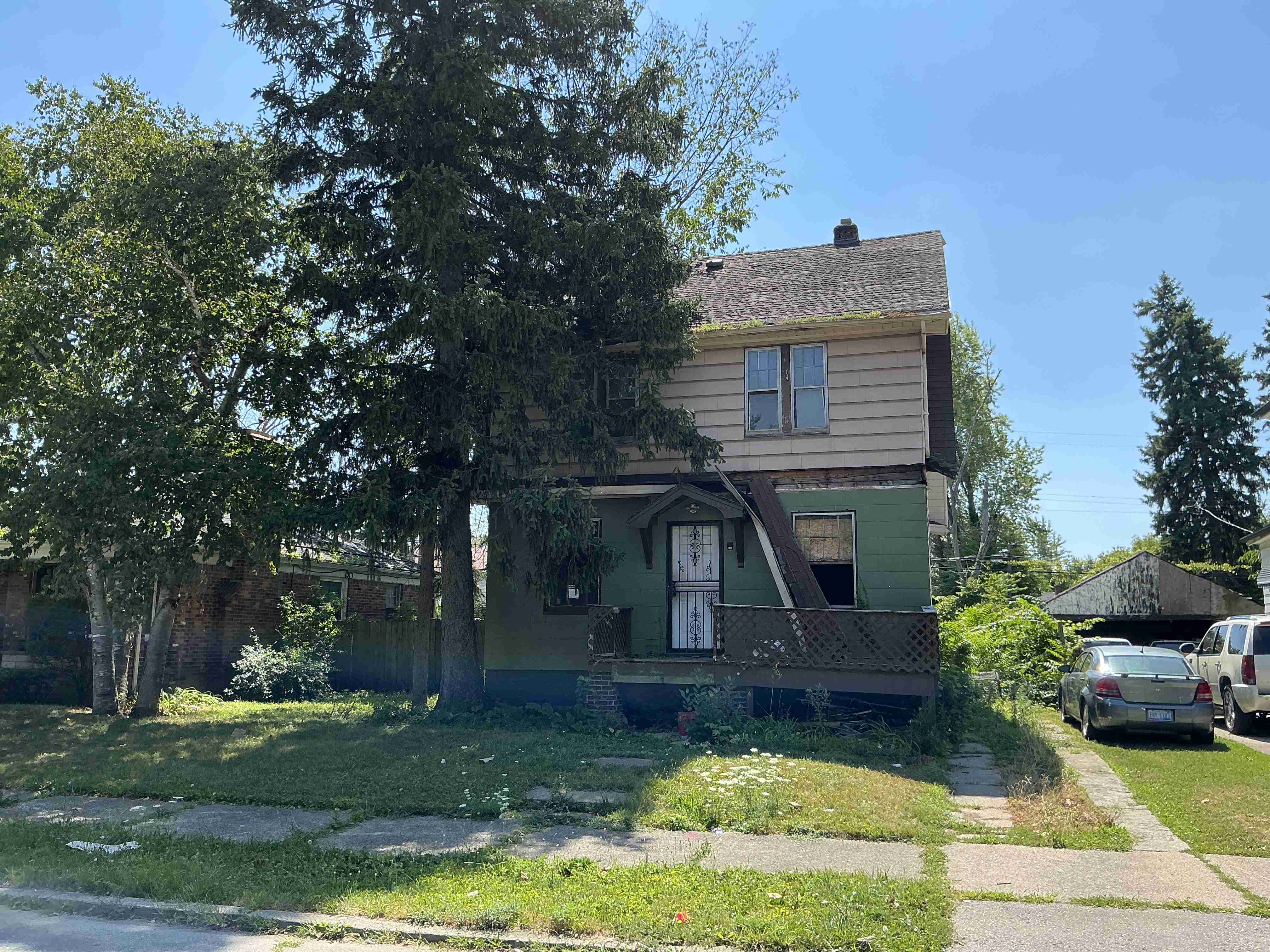
A $3,000 land bank house — the price range our 2026 data report maps — is cheap because the market has already discounted everything wrong with it: the roof, the furnace, the years of vacancy, the street it's on. You aren't finding an inefficiency; you're buying a project at a fair project price.
That's not a warning against doing it. It's the frame that makes every later decision easier: you're not buying a house, you're buying the right to put money and work into a location. The location decides whether that's smart.
Step 1: Pick the market before the house
First-timers browse listings; experienced buyers browse blocks. Work top-down:
- State — inventory concentrates where land bank laws exist. Browse the state-by-state hubs to see live counts and prices.
- Metro — can you realistically get there? Managing a first renovation from three states away is hard mode. If you're remote, at minimum plan visits and hire local eyes.
- Block — the unit that actually matters. Look for renovated comps within a few blocks, occupied houses next door, and signs someone else is spending money there (new roofs, dumpsters, permits).
Step 2: Learn your land bank's rules
Every land bank publishes its own program rules — and they differ on the things that matter to you:
- Owner-occupant priority. Many land banks favor (or discount for) people who will live in the house. As a first-timer planning to occupy, you may outrank every investor in line. Some offer public-employee or featured-home discounts.
- Renovation requirements. Most sales of structures require a scope of work and a deadline (commonly 6–18 months), enforced by a right of reverter — miss it and the property can go back.
- Proof of funds. Bank statements showing you can cover the purchase and usually the renovation estimate.
Find yours in the national land bank directory — every profile links the official site and shows live inventory where we track it.
Step 3: Build the real budget
The purchase price is the smallest line. For a $5,000 house needing a full but unglamorous rehab:
| Line | Typical range |
|---|---|
| Purchase | $1,000–$20,000 |
| Renovation to livable | $30,000–$100,000+ |
| Carrying costs during rehab (taxes, insurance, utilities) | $2,000–$8,000 |
| Contingency (find it after the walls open) | 15–20% of rehab |
Two rules keep first-timers solvent: get three contractor bids before you apply (land banks often want a bid or scope anyway), and compare all-in cost against renovated comps — if the finished house is worth less than purchase plus rehab, the deal fails no matter how low the sticker price. If you don't have the cash sitting in a bank account, read how land bank homes actually get financed first — a conventional mortgage usually isn't the tool.
Step 4: Apply
The application is paperwork, not competition theater:
- Pick the property (search the live map — every listing links to its official source).
- Attend the showing if one is offered; bring a contractor or inspector even if it costs a few hundred dollars. As-is means as-is.
- Submit the application: your plan for the property, proof of funds, renovation scope and timeline.
- Wait — review takes weeks, not hours. Land banks check applications against their priorities (occupancy, neighbor purchases, community plans).
- Close. Closings are simple; many land banks use their own title company and convey with title already cleared of back taxes and most liens — that clearing is a core part of what a land bank does.
Step 5: Perform
The deed conditions are real obligations. Treat the renovation deadline like a loan covenant: track it, document progress with photos and receipts, and if you're slipping, tell the land bank early — most would rather extend a good-faith buyer than take a house back.
The five first-timer mistakes
- Shopping by price instead of block. Covered above; it's the big one.
- Skipping the inspection because the house is cheap. A $200 inspection on a $3,000 house is the best ratio in real estate.
- Underestimating rehab by using HGTV numbers. Get real bids.
- Ignoring the deed restrictions. The reverter clause is not decorative.
- Buying in a market you've never visited. Go once. Walk the block. Everything about the deal gets clearer in twenty minutes on the sidewalk.
Start looking
The process rewards exactly the things a first-timer can do: read rules, save money, show up, and follow through. See what's actually listed right now:
Then go one level deeper with the complete step-by-step land bank buying guide, or find the land bank nearest you.

.jpg)