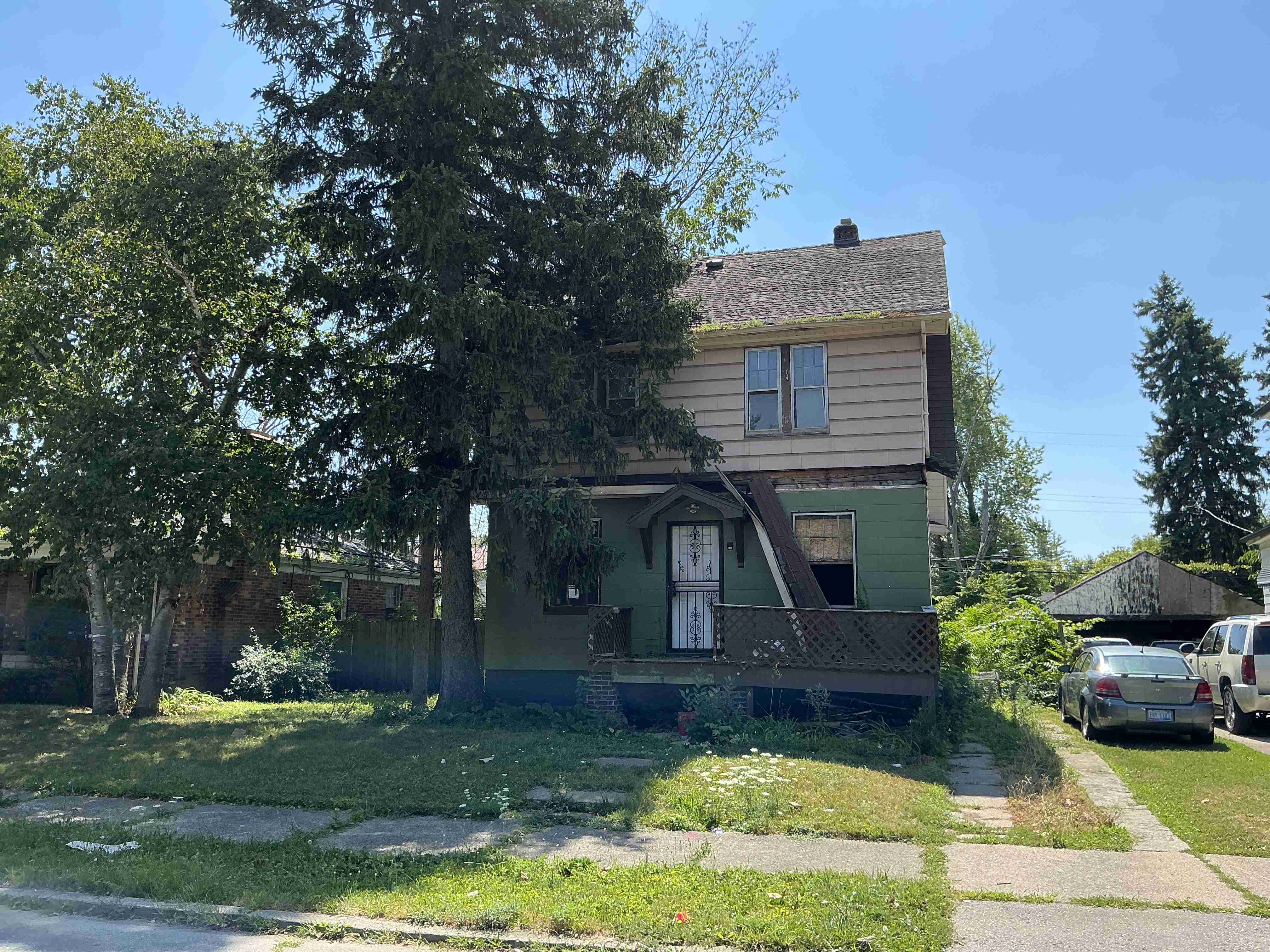
Here's the paradox of the $6,000 house: it's cheap enough that almost anyone could theoretically afford it, and cheap enough that almost no bank will touch it. Conventional mortgages fail twice on land bank homes — the loan is too small (most lenders won't write below ~$50,000; the paperwork costs the same as on $500,000) and the collateral is too rough (a house with no furnace fails appraisal condition requirements before underwriting even starts).
So how do people actually pay? Five ways, from most common to most creative.
1. Cash — the default
Most land bank purchases are cash, and at these prices "cash buyer" doesn't mean wealthy: $3,000–$15,000 covers a large share of the priced inventory we track. The purchase is rarely the financing problem.
The renovation is. Land banks know it, which is why applications require proof of funds for the rehab scope, not just the sale price. If your plan is cash purchase + renovate-from-income over time, make sure the land bank's renovation deadline (commonly 6–18 months) fits that pace before you apply — deadlines are enforced by reverter clauses, not suggestions.
2. FHA 203(k) — purchase + rehab in one mortgage
The 203(k) is the classic tool for exactly this house: it lends against the after-repair value, funding purchase and renovation in a single FHA loan with ~3.5% down. Two flavors:
| Limited 203(k) | Standard 203(k) | |
|---|---|---|
| Rehab budget | up to ~$75,000 | no fixed cap (FHA county limits apply) |
| Structural work | no | yes |
| HUD consultant | not required | required, oversees draw schedule |
| Fits a land bank house that... | needs systems/cosmetics | needs gut rehab or structure |
The honest catches: it's owner-occupant only, the paperwork and draw process add weeks and fees, contractors must be licensed and willing to work on draw schedules, and the total (purchase + rehab) must still appraise. On a $5,000 house with $80,000 of work in a neighborhood where renovated comps hit $120,000, a Standard 203(k) genuinely works. Where comps top out at $70,000, no loan product fixes the math.
3. HomeStyle and CHOICERenovation — the conventional twins
Fannie Mae HomeStyle and Freddie Mac CHOICERenovation are the conventional-loan versions of the 203(k): after-repair-value lending, one closing, down payments from 3–5%. Differences that matter here:
- Investors can use them (with larger down payments) — the 203(k) locks investors out.
- Slightly stricter credit, sometimes smoother draws.
- Same floor problem: many lenders still want a total loan large enough to bother with, so these fit the bigger land bank projects, not the $8,000 all-in lot.
4. Local money — the underrated channel
The same civic infrastructure that created land banks usually built rehab funding next to it:
- City/county rehab programs — forgivable or 0% deferred loans for owner-occupants fixing code items, often $10,000–$50,000. Ask the city's community development department.
- CDFIs and community loan funds — nonprofit lenders that write the small, odd loans banks won't, including purchase-rehab for exactly these houses.
- Land bank partner programs — some land banks maintain lender lists, offer renovation grants, or discount for public employees; a few run installment plans on lower-priced properties. Check your land bank's profile page and official site.
- USDA Section 504 — in rural areas, repair loans to 1% and grants for eligible owner-occupants.
For a first house, stacking a cheap purchase + a city rehab program is often the strongest package available — and almost nobody applies.
5. Borrow against what you already have
Buyers who already own property commonly fund land bank projects with a HELOC on their existing home — instant "cash buyer" status, draw as the rehab progresses, refinance the finished house later if wanted. Personal loans and 401(k) loans appear too; they're expensive but small relative to the numbers involved. The discipline that matters with any of these: size the borrowing to the bid, not the daydream, and keep the contingency unborrowed.
What the land bank wants to see
Whatever the funding source, the application reads the same way:
- Proof of funds — statements or a pre-approval covering purchase + scope.
- A real scope of work — contractor bid or line-item budget, not "will fix."
- A timeline that fits their deadline — and fits your money's pace.
Financing-dependent offers are workable at many land banks, but a renovation loan's 45–60 day close and draw schedule must line up with the land bank's process — flag it in the application rather than surprising them at closing.
Bottom line
"Cash only" is a myth built on a true fact: conventional mortgages don't fit land bank houses. Renovation loans, local rehab money, and small-dollar strategies fit them fine — the loan just has to be shaped like the project: lend on the finished value, fund the work, fit the deadline.
Run the numbers against real inventory: see what's listed right now, check prices in your state, and read the step-by-step buying guide for how the application itself works. First house ever? Start with the no-experience guide.
.jpg)