Virginia is a two-track state. It has land banks on the books, but only one runs a program you can watch parcel by parcel: the Chesapeake Land Bank Authority. Everywhere else, tax-delinquent property moves the old way, through a judicial tax sale ordered by a court. Knowing which track a property sits on tells you exactly how to buy it. And if you want a finished house rather than a lot, HUD and Fannie Mae HomePath list more Virginia homes than every land bank combined.
Who sells land bank property in Virginia
Virginia only authorized land bank entities in 2016, under Va. Code 15.2-7500 and the sections that follow, so the model is young here compared with Georgia or Ohio. The Chesapeake Land Bank Authority is the one with a real, trackable disposition program, and it is profiled in our directory.
Two more localities have designated land banks, but neither publishes a standing parcel list:
- Richmond. The city's land bank is run by the Maggie Walker Community Land Trust, which takes in tax-delinquent and surplus parcels and mostly turns them into permanently affordable homes sold to income-qualified buyers. If you qualify, its homebuyer program is the way in; there is no open lot list to bid on.
- Danville. The Danville Neighborhood Development Corporation acts as the city's land bank, rehabbing and reselling blighted houses and lots in a small local pipeline. Contact it directly about available property.
Norfolk and Roanoke work their surplus and tax-delinquent property through local redevelopment and housing authorities or through straight tax sales. That is normal for Virginia: the enabling statute is optional, and most localities never stood up an authority under it.
What's listed right now
Because Chesapeake is the only live feed, the tracked inventory in Virginia is thin and concentrated in Hampton Roads. Browse the live Virginia map to see the current Chesapeake parcels, and treat the tax-sale route below as the larger, if less tidy, source of cheap land in the rest of the state.
The Virginia buying process
There are two very different playbooks. Pick the one that matches the property.
Track one: Chesapeake, by proposal. The Chesapeake Land Bank Authority disposes of parcels through competitive requests for proposals aimed at builders and developers.
- Watch the RFP page at cityofchesapeake.net and join the builder-interest list so new solicitations reach you.
- Respond with a proposal by the stated deadline. There are no standing buyer eligibility rules here; each RFP sets its own terms.
- Plan for the obligations written into that RFP. Development terms, timelines, and conditions come from the solicitation, not from a fixed citywide policy, so read each one closely.
Track two: judicial tax sales, everywhere else. For most Virginia localities, the path runs through the courts under Va. Code 58.1-3965.
- Watch the delinquency thresholds. A locality can pursue a judicial sale once taxes are delinquent long enough, generally by December 31 of the second year, and sooner for some vacant parcels.
- Read the treasurer's published lists. Localities publish the parcels headed to sale before the auction.
- Follow the judicial process. The court orders a public auction, usually run by a special commissioner or an outside auction firm. Winning bidders post a deposit and close within the window the sale terms state.
- Get the deed after confirmation. Title passes once the court confirms the sale, which is also when the owner's right of redemption ends. Budget for a title exam before you commit: a confirmed judicial sale clears a lot, but you still want to know what you are buying.
The mechanics of the proposal track follow the standard land bank playbook covered in our full guide. If the tax-sale side is new to you, tax liens vs tax deeds explains what a deed sale actually conveys, and the first-timer's guide covers building a budget past the sticker.
HUD and Fannie Mae HomePath homes in Virginia
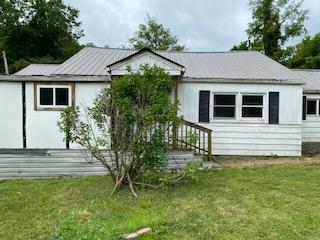
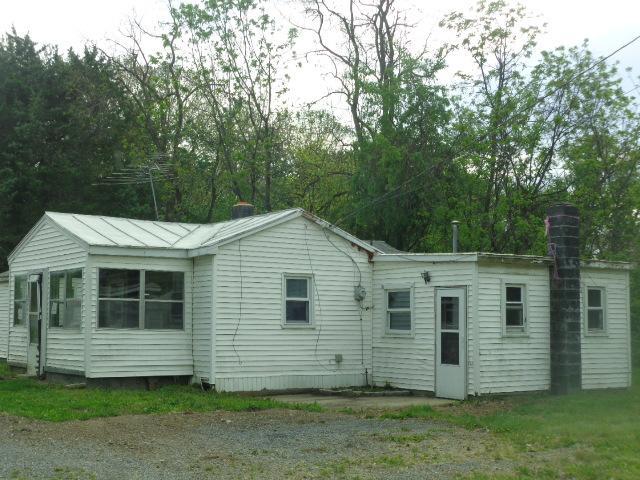
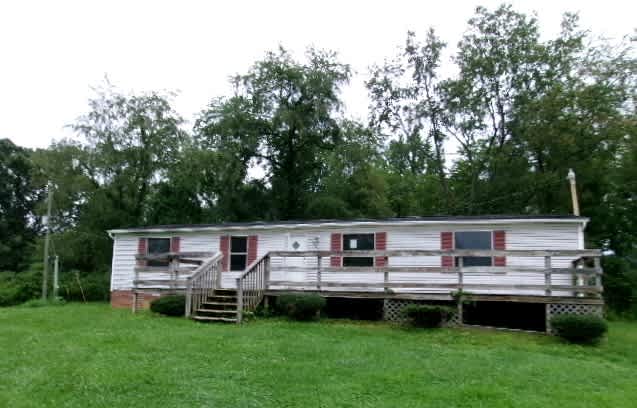
The federal foreclosure programs are the biggest source of government-owned houses in Virginia. On October 3, 2026 we tracked 45 HUD homes and 23 Fannie Mae HomePath homes across the state, the cheapest around $50,000, most priced near the local market. They are move-in or light-rehab houses, not $10,000 lots.
- HUD homes are FHA-insured foreclosures. Owner-occupants get an exclusive bidding window before investors, and bids go through a HUD-registered agent.
- HomePath homes are Fannie Mae foreclosures. Owner-occupants get the first 20 days of every listing under the First Look program.
Both appear on the live Virginia page and the Virginia map next to the Chesapeake parcels. Land bank homes vs HUD homes vs foreclosures compares the routes side by side.
Where the value concentrates
Two very different pockets. Hampton Roads, meaning Chesapeake, Norfolk, and Portsmouth, is where the buildable lots cluster, near neighborhoods where finished homes sell at real market prices. That is why Chesapeake screens proposals instead of chasing the highest number. For raw cheapness, look to Southside and Southwest Virginia counties, where tax-sale acreage can open at just the taxes owed. One practical note: many county auctions now run through online firms, so you can follow and bid on rural Virginia parcels without driving to a courthouse. Financing is almost always cash at these prices, though a habitable structure can sometimes pencil for a renovation loan (financing a land bank home).
Start here
- Live Virginia inventory, including HUD and HomePath homes
- Set an alert for Virginia parcels
- How to buy from a land bank and tax liens vs tax deeds for the two tracks