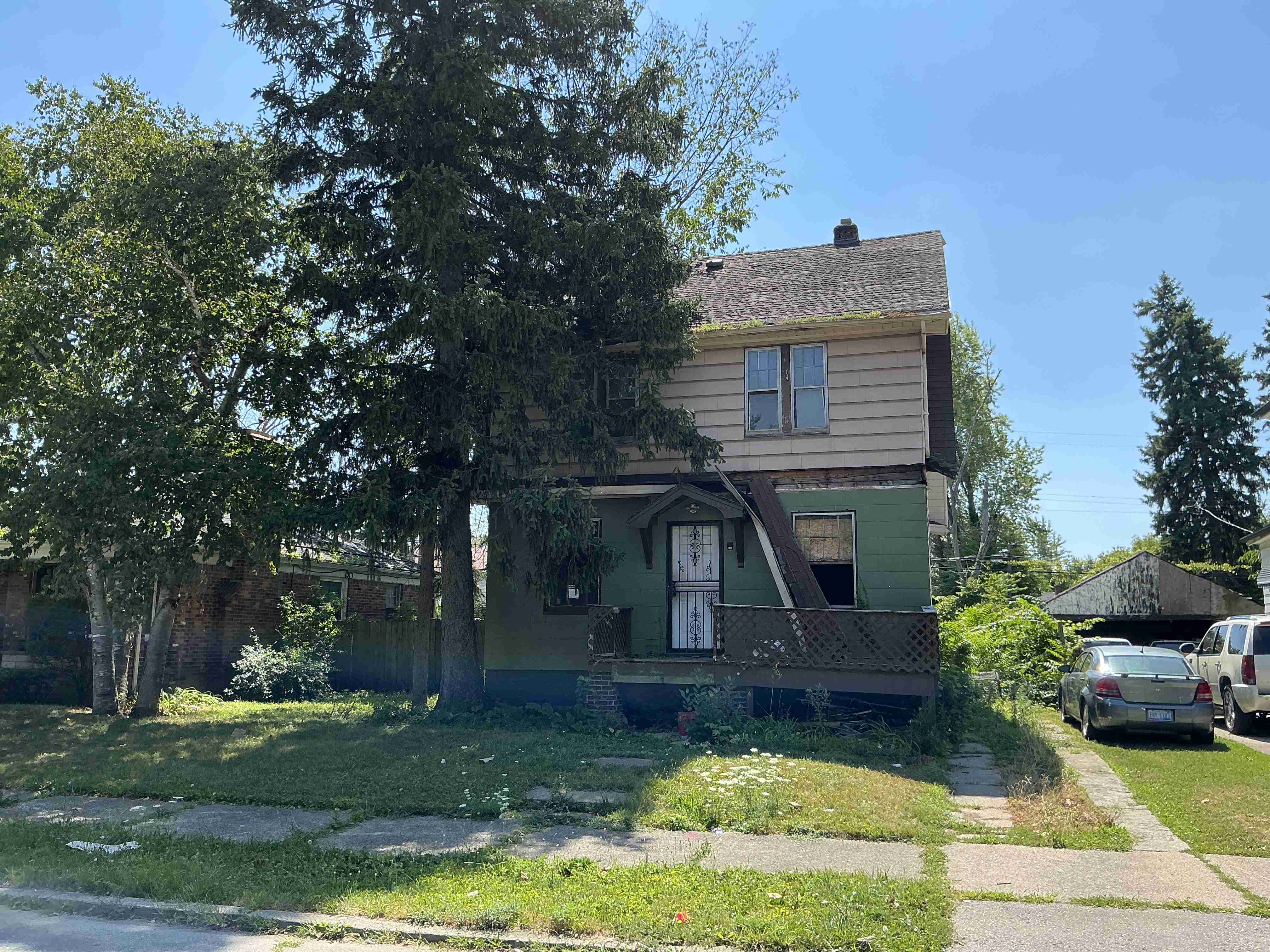
If you've found houses for a few thousand dollars and your first thought was "this has to be a scam," that's the healthy instinct. Here's the honest answer: land banks are completely legitimate — they're government agencies — but scammers do imitate them, so knowing the difference protects you.
What a land bank actually is
A land bank is a public agency created by state law, run by a county or city, whose job is to take tax-foreclosed and abandoned property and put it back to productive, tax-paying use. This is a decades-old system — St. Louis started it in 1971 — and thousands of properties transfer through land banks every year. It's about as establishment as real estate gets.
Why the cheap prices are real, not a trick
The single biggest reason people suspect a scam is the price. But the low prices have a boring, legitimate explanation: the seller isn't trying to make money. A land bank is a government entity clearing blight and restoring the tax base, so it prices at back-tax levels — a national median around $3,000 — instead of market value. On top of that, most properties need real renovation, which the sticker reflects. Cheap because of mission and condition, not because it's fake.
Where the actual scams are
The land bank is legit; the edges around it are where fraud lives. Watch for:
- Fee-to-access "listings." Land bank inventory is free and public. Anyone charging you to "unlock" it is selling you nothing.
- Fake land bank sites imitating a real agency. Confirm you're on the official government page.
- A stranger "selling" a property they don't own — deed and title fraud. You buy from the land bank, not a middleman.
- Unusual payment demands. A real land bank never asks for gift cards, or a wire to a personal account. Payment goes to the agency through its process.
How to verify any listing in ten seconds
Trace it to the source. Every legitimate land bank publishes on its own government site, and a trustworthy aggregator links straight there. On this site, every listing on the map and every parcel page links to the official land bank source and its real application — no fee to see it, nothing hidden behind a paywall to browse. If you can't reach an official agency page and a documented process, treat the listing as unverified.
The bottom line
Land banks are one of the most legitimate — and underused — ways to buy cheap property in America. The prices are real, the process is public, and the only scams are the impostors trying to stand between you and a free, official listing. Buy direct, verify the source, and the "too good to be true" turns out to be just... government.
.jpg)