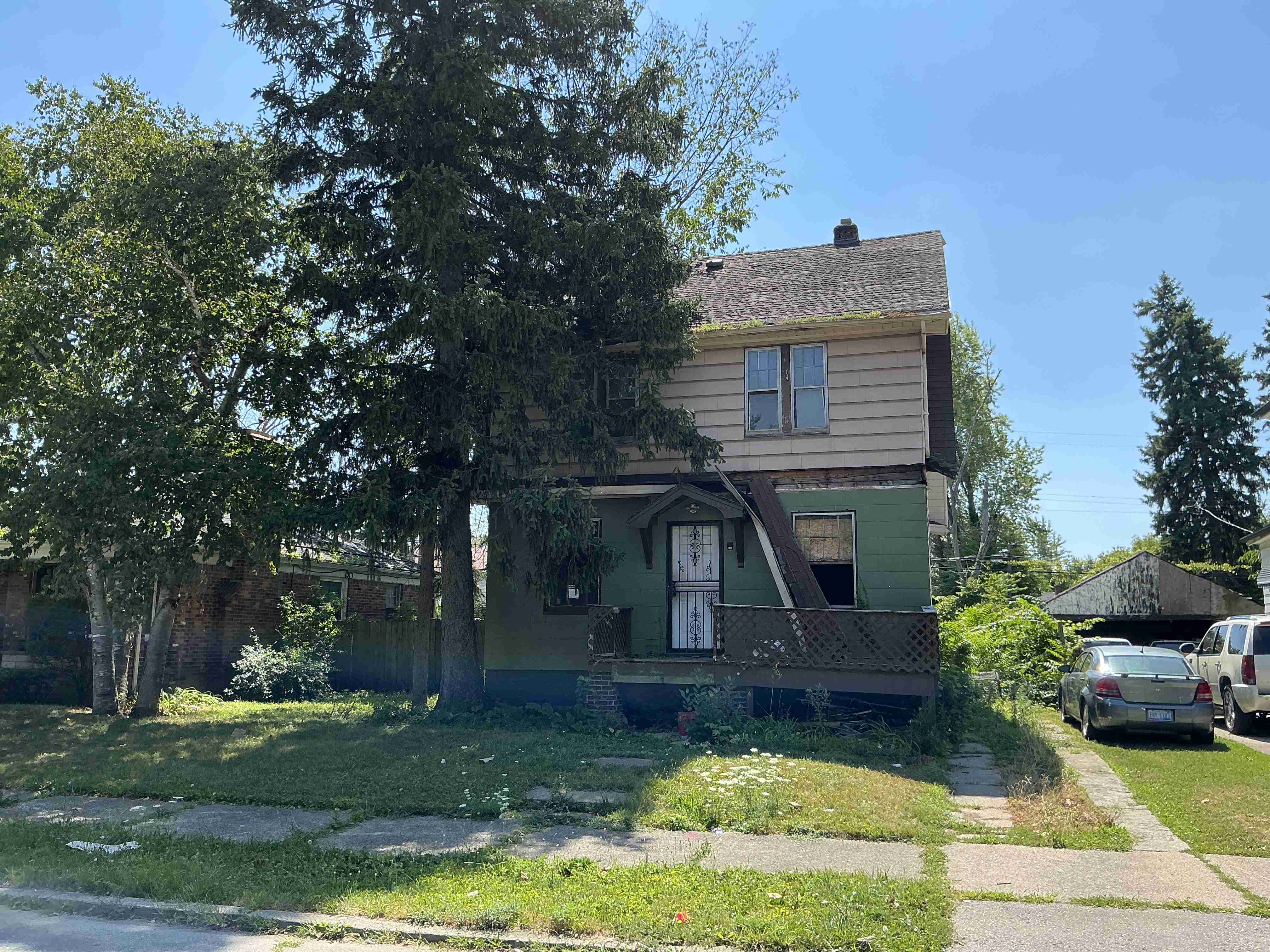
Cities are some of the biggest landowners in America — holding thousands of vacant lots and tax-foreclosed buildings they'd rather see occupied than empty. Most people never realize it's for sale. Here's how to buy city-owned property.
Where city-owned property comes from
When property owners stop paying taxes, cities eventually take the parcels through tax foreclosure. Over decades that leaves a city holding a large inventory of vacant lots and abandoned buildings — property it wants back in productive, tax-paying hands. Cities dispose of it two main ways:
- A land bank. Most cities route surplus and tax-foreclosed property through a land bank they created or partner with — the organized, title-cleared path.
- A direct municipal program. Some big cities also run their own lot programs. Chicago sells 6,500+ city lots directly, and St. Louis does the same through its LRA.
Either way, you're buying government-owned property through an application — not through an agent and the MLS.
Why it's cheap
Same reason land banks are cheap: the city isn't chasing profit, it's chasing reuse and tax revenue. So it prices surplus land low — nominal for side lots to neighbors, modest for standard parcels — to get it maintained and reoccupied. A maintained, owned lot beats a vacant, delinquent one every time.
How to buy it, step by step
- Find the parcel. Browse the land banks and city programs near you on the map, or find your nearest land bank. For a specific address, your county assessor site shows if the city owns it.
- Check the program. Adjacent owner? The side-lot path is cheapest and fastest. Otherwise you're applying to buy outright.
- Apply with a plan. State your intended use and show you can fund it. Owner-occupants and community-serving uses are prioritized on buildings.
- Budget past the price. A cheap city lot still has closing and upkeep; a city-owned building is a full renovation. Deeds can carry maintenance or build conditions — read them first.
The fast way to see it all
City-owned inventory is scattered across separate municipal and land bank sites — which is exactly the problem this site solves. Every listing on the map and cheapest-houses page is real government-owned inventory linked to its official source, so you can see what your city (and every other) is selling in one place.
.jpg)