Georgia helped invent American land banking. The Metro Atlanta Land Bank dates to 1991 — one of the first in the nation — Columbus and Savannah followed within two years, and a 2012 state law spread the model until the state had 32 land banks, one of the deepest benches anywhere. What Georgia doesn't have is posted-price shopping: this is a proposal market, and the land banks care what you'll do with the parcel.
Who sells land bank property in Georgia
All 32 are profiled in our directory. The ones with real public inventory:
- Clayton County Land Bank Authority: the biggest public list we track in the state, several hundred parcels in the county just south of Atlanta. See Clayton County listings.
- DeKalb Regional Land Bank Authority (2012) — a large public list of vacant lots across DeKalb County on Atlanta's east side.
- Metro Atlanta Land Bank (1991) — Fulton County and the City of Atlanta's authority, and the state's original. Vacant lots plus a small number of structures.
- Macon-Bibb Land Bank Authority (1996): the state's second land bank, formed by the City of Macon and Bibb County. Its posted inventory is vacant lots with clear titles, and lots are not sold without a project approved by its Board; it also holds periodic auctions. See Macon-Bibb listings and our Macon-Bibb deep-dive.
- Chatham County-Savannah Land Bank Authority (1993): sells by pre-application or Request for Proposals. Every sale needs Board approval, and residential redevelopment carries affordability requirements. See Savannah listings and the official land bank page.
- Rome-Floyd Land Bank Authority (2008): lists property and takes applications through an online ePropertyPlus portal (you create an account to apply), and that portal can show an asking price on a listing, which most Georgia land banks don't post. See Rome-Floyd listings and the official site.
- The rest of the bench — Augusta (1997), Columbus (1992), Athens-Clarke, and two dozen smaller county authorities. Check their sites via the directory.
What's listed right now
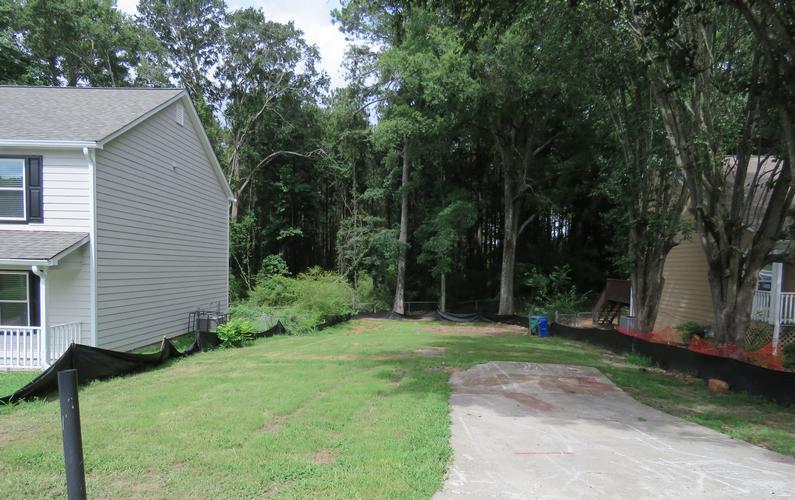
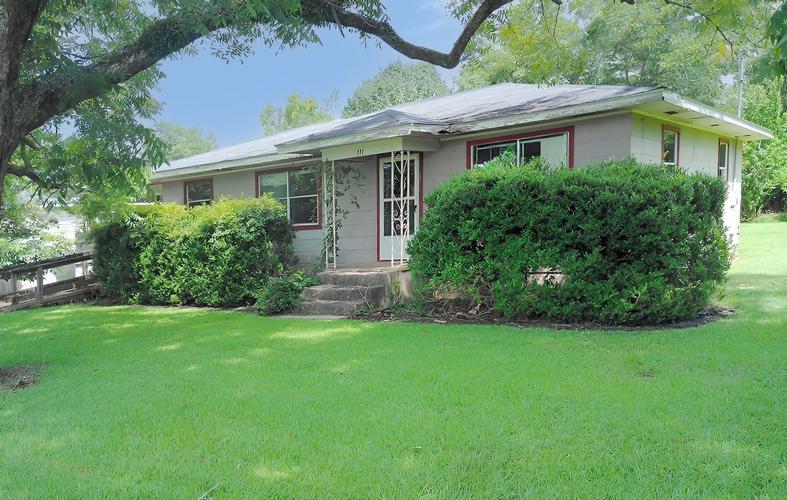
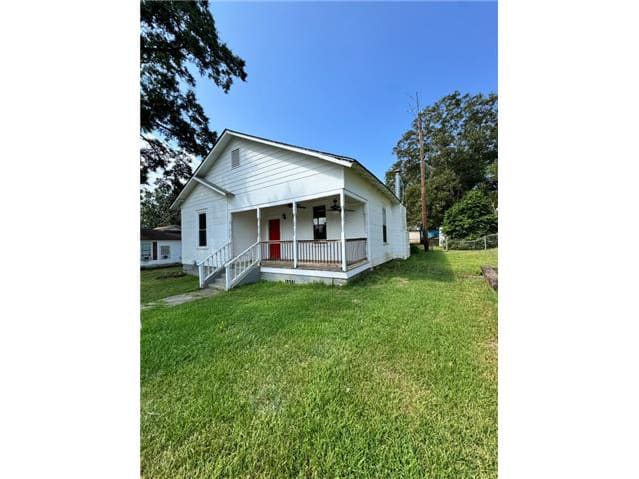
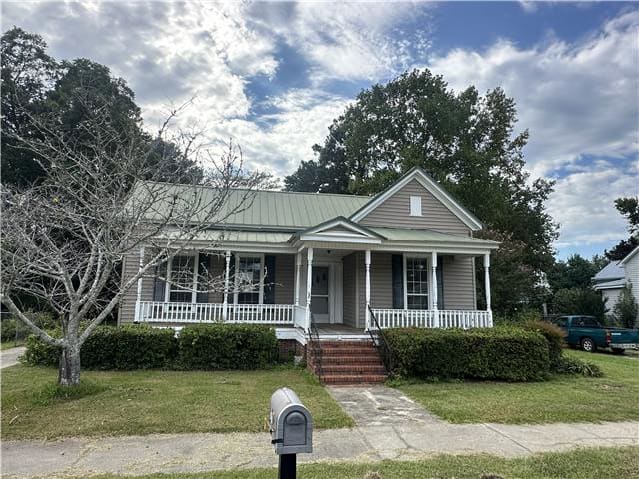
The tracked inventory is overwhelmingly vacant land in the Atlanta metro — side lots, infill sites, and assembly opportunities rather than fixer-upper houses. Browse the live Georgia map to see where Clayton, DeKalb, and Fulton parcels cluster. The Macon, Savannah, and Rome feeds add a middle-Georgia, coastal, and northwest-Georgia layer that is still mostly lots: Macon-Bibb sells its listed lots at one flat price posted on its own site, Rome-Floyd's portal can show asking prices, and Savannah takes offers through its application.
The Georgia buying process
The mechanics follow the standard land bank playbook — full guide here — with a Georgia accent:
- Find the parcel on the map. No posted price is normal here — the program sets pricing once it sees your proposal.
- Bring a plan, not just money. Atlanta-area land banks weigh end use heavily: affordable housing, owner-occupancy, community gardens, and neighboring-owner side lot purchases all rank ahead of land speculation.
- Apply through the specific land bank's process with proof of funds. Each of the 32 sets its own rules — DeKalb's process is not Fulton's.
- Budget past the sticker. Even a nominal-price lot carries closing costs, survey, and cleanup. The first-timer's guide covers building that budget.
Financing note: most Georgia land bank purchases are cash at these price points, but structures can qualify for renovation loans — see financing a land bank home.
Savannah's affordability rule. Under the Chatham County-Savannah affordability requirements, residential redevelopment of land bank property must follow the Authority's Affordability Guidelines: the property stays affordable for ten years unless the Authority decides otherwise, a right of reversion may be written into the deed, and nonprofit and governmental buyers may get priority. Proposals are due 30 days before the Board meeting, every sale needs Board approval, and the Authority may decline any offer. A side lot next to your own home is one of the project types on its pre-application.
Where the value concentrates
Atlanta is the rare land bank market inside a hot metro: DeKalb and Fulton lots sit minutes from neighborhoods where new construction sells at full market price, which is exactly why the land banks screen proposals instead of racing to the highest bidder. The winning play is usually a credible build plan or an adjacent-owner side lot purchase (side lots guide) rather than a volume buy. In Macon, listed lots sell at one posted flat price, but only once the Board approves your project (how that works). If you want posted prices and volume, compare Tennessee or Ohio; if you want upside inside a growing metro, Georgia is hard to beat.
Start here
- Live Georgia inventory map
- All 32 Georgia land banks, profiled
- Macon-Bibb Land Bank, explained
- What is a land bank? if the model is new to you