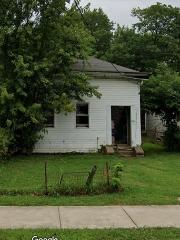
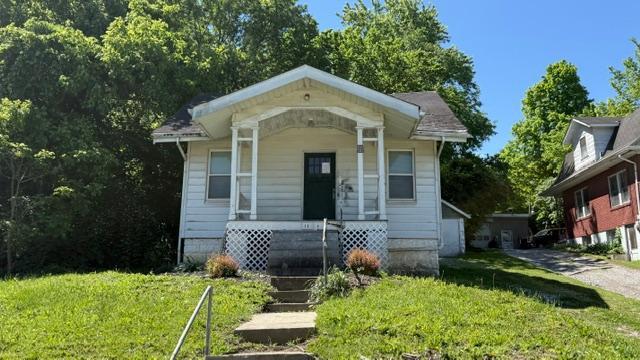
Kentucky's land bank story runs through Louisville — and it's an old one. The Louisville and Jefferson County Landbank Authority was founded in 1988, making it one of the oldest land banks in America, and today it lists 500+ properties, with dozens of vacant lots posted at $1. If you've ever wondered whether the "$1 lot" headlines are real, this is the market where they are — conditions attached.
Who sells land bank property in Kentucky
Two land banks operate in the state — both profiled in our directory:
- Louisville and Jefferson County Landbank Authority (1988) — run through Louisville Metro's community development office. Vacant lots across west and south Louisville, plus several dozen structures.
- Hopkinsville–Christian County Landbank Authority (2007) — a smaller program in western Kentucky without a big public feed; check its official site via the directory.
What's listed right now
The posted-price slice of Louisville's list is small but striking: the median posted price is $1. That's not a data error — it's policy. Louisville prices side lots and stabilization parcels at a dollar to get them back on the tax rolls and into neighbors' hands (are $1 houses real? covers the national version of this model). The rest of the inventory prices at application. Browse the live Kentucky map to see where lots cluster.
The Kentucky buying process
The mechanics follow the standard land bank playbook — full guide here — with Louisville specifics:
- Create a portal account and apply per property. Louisville Metro runs disposition through an online property portal; you open an account and file a separate application for each parcel you want.
- Pick the track that fits your parcel. Side-yard sales go to next-door neighbors only. Cut It, Keep It sells a same-block lot to the owner of an occupied building on that block, with a three-year resale restriction unless you develop it. Flex Rate purchases ask for detailed plans and an itemized budget. Last Look structure sales require proof of funds, with exterior repairs finished within six months and interior within eighteen.
- Plan for compliance and cost. Metro ordinance and Kentucky building-code compliance is a condition of every sale, so at these prices the cleanup, a roof, or the rehab commitment are the real numbers. The first-timer's guide covers how to build that budget.
Financing note: $1 lots are cash by definition, but Louisville's structures can pencil for renovation loans — see financing a land bank home.
Tax-delinquent property outside the land bank
The land bank is not the only way delinquent property changes hands in Kentucky. Each spring, counties sell their unpaid tax bills as certificates of delinquency to third-party purchasers under KRS 134.128. Buying a certificate does not hand you the deed. It gives you a lien: the purchaser can add interest and fees, and can move to foreclose only after the bill has been delinquent for one year. That makes Kentucky a lien state, not a deed state, so a certificate sale is a very different transaction from a land bank purchase, where you buy the property itself. Our guide to tax liens versus tax deeds explains which one you are actually bidding on.
Where the value concentrates
Louisville rewards adjacency more than almost any market we track: the $1 side lot next to a house you own is the single cleanest land bank deal in Kentucky (side lots guide). For investors, the several dozen flagged structures are the interesting slice — priced case by case in neighborhoods where renovated comps vary block by block. If you're choosing between markets, Louisville's posted-price transparency sits somewhere between Tennessee's everything-priced list and the application-only markets like Alabama.
Start here
- Live Kentucky inventory map
- Kentucky's land banks, profiled
- What is a land bank? if the model is new to you